Struggling to pick the perfect puppy hue? I spent years breeding these magnificent animals, constantly watching buyers confuse these two specific shades.
Choosing incorrectly guarantees unexpected fading later.
You want a companion matching your exact aesthetic vision seamlessly.
Let me clarify the Red Poodle vs Apricot Poodle: Key Differences Explained debate immediately.
Keep reading to discover your ideal furry best friend without any lingering doubts.
1. The Initial Visual Impact
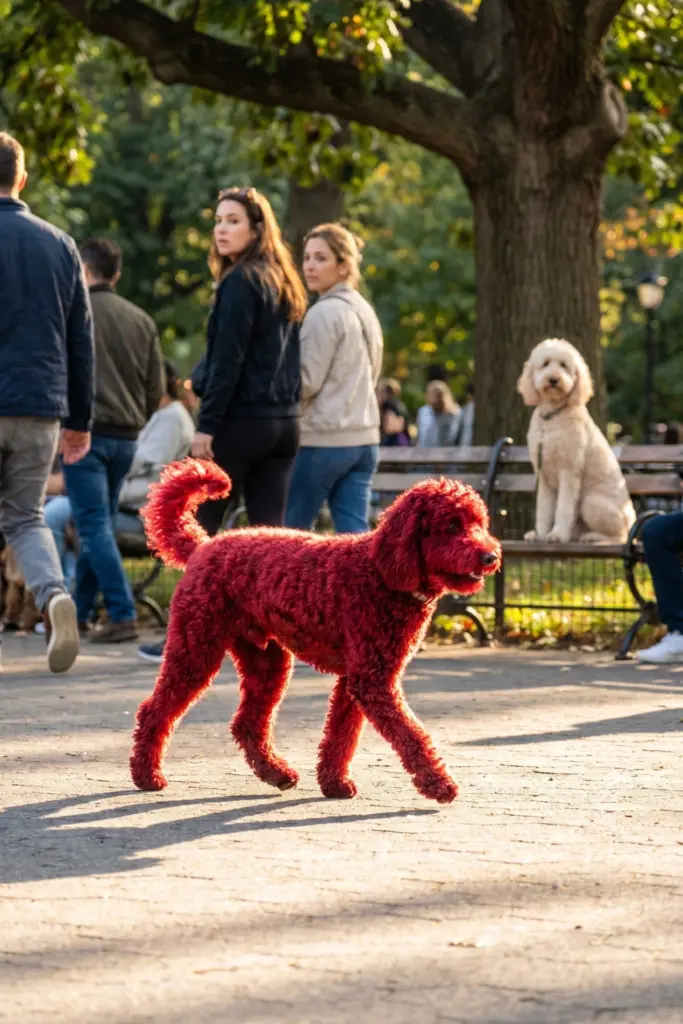
Spotting a genuine crimson canine across the park steals your breath instantly.
Meanwhile, their lighter cousins offer a remarkably soft, sunny appearance.
Do you prefer commanding attention or projecting quiet elegance?
Grasping this basic visual spectrum saves you immense frustration.
- Fiery tones guarantee your pet grabs immediate public attention everywhere.
- Peachy shades provide a beautifully subtle, comforting presence indoors.
- Initial brightness varies drastically between these two specific variations.
2. Unlocking Canine DNA
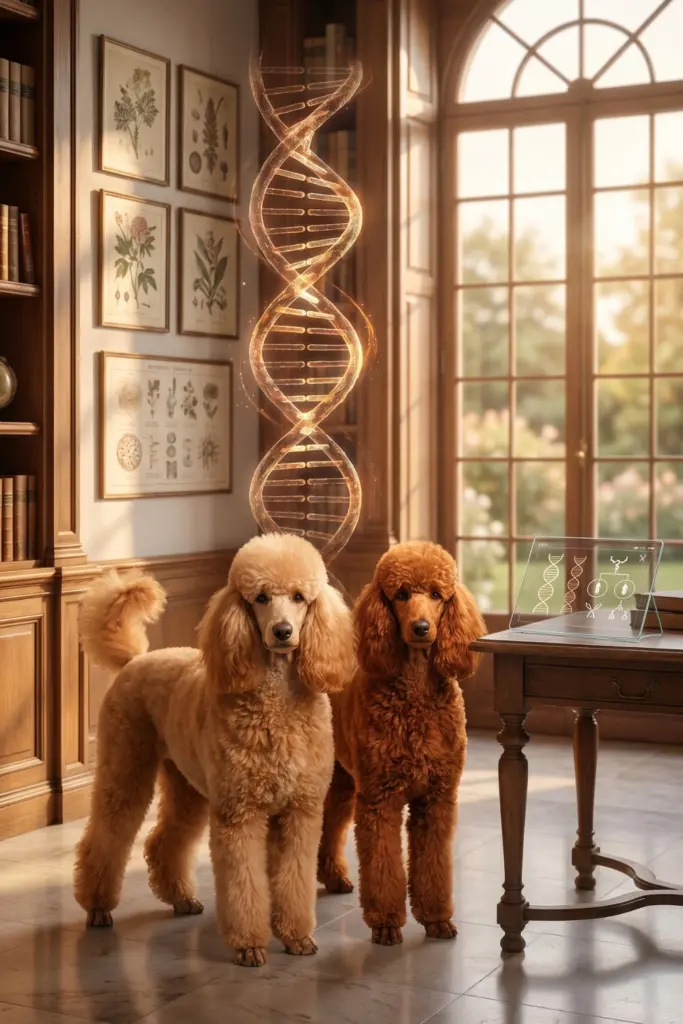
Breeding these stunning animals requires serious scientific knowledge.
You must breed two dark carriers together achieving that magnificent rust result.
Conversely, the lighter peach tone appears much more frequently within litters.
Understanding basic genetic principles explains massive global price disparities.
- Recessive genes make breeding genuine crimson puppies incredibly difficult.
- Dominant traits ensure peachy offspring populate litters quite consistently.
- Scientific mapping proves these varieties share deep ancestral roots.
3. The Infamous Fading Phenomenon
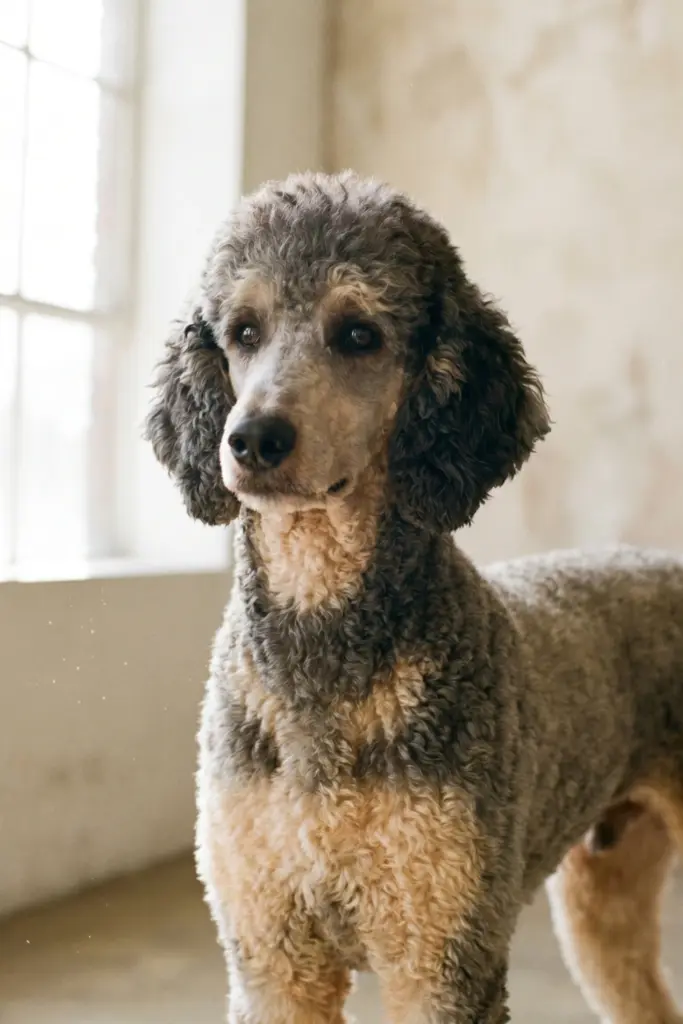
Nothing frustrates new owners like sudden color shifts.
The darker varieties possess a notorious clearing gene causing significant lightening over time.
Lighter dogs fade too, but the visual contrast feels significantly less dramatic.
You must embrace this unpredictable fading process enthusiastically.
- Clearing genes cause drastic lightening during the first three years.
- Dramatic shifts shock unsuspecting buyers expecting permanent dark coats.
- Subtle transitions make the lighter variety age much gracefully.
4. Navigating Breeder Availability
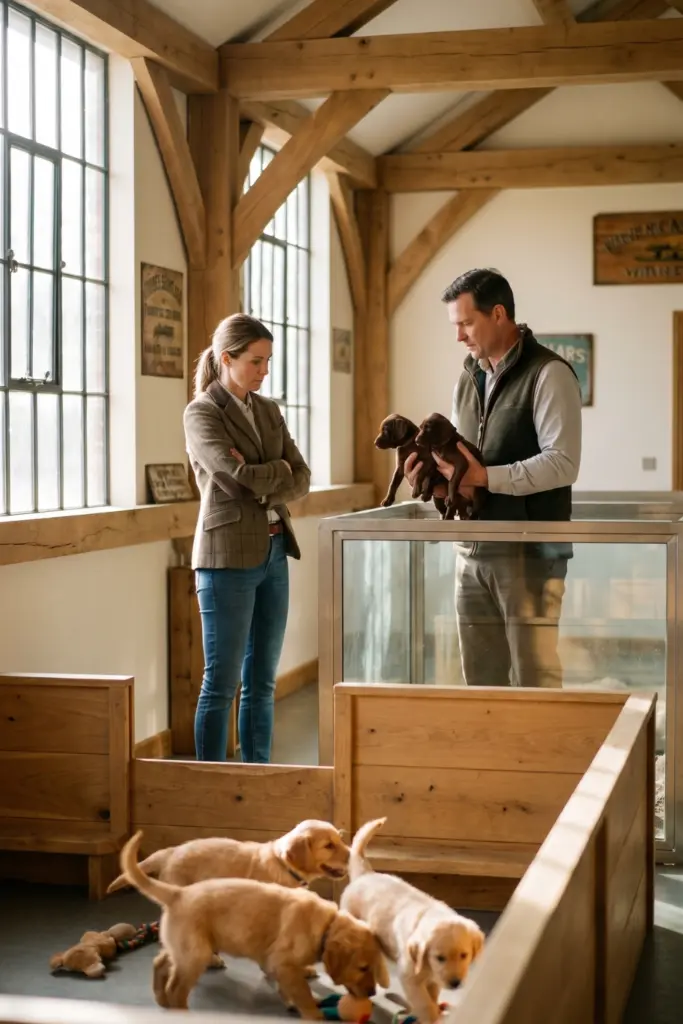
Finding a reputable breeder charging fair prices takes immense patience.
Because true rust genetics prove elusive, breeders demand premium compensation for specific litters.
You locate sunny-hued puppies much faster and cheaper.
Your budget often dictates which beautiful animal joins you.
- Premium pricing directly reflects the extreme rarity of dark pups.
- Widespread availability makes locating lighter companions an absolute breeze.
- Breeder waitlists stretch for years regarding darker genetic lines.
5. Sun Exposure Sensitivities
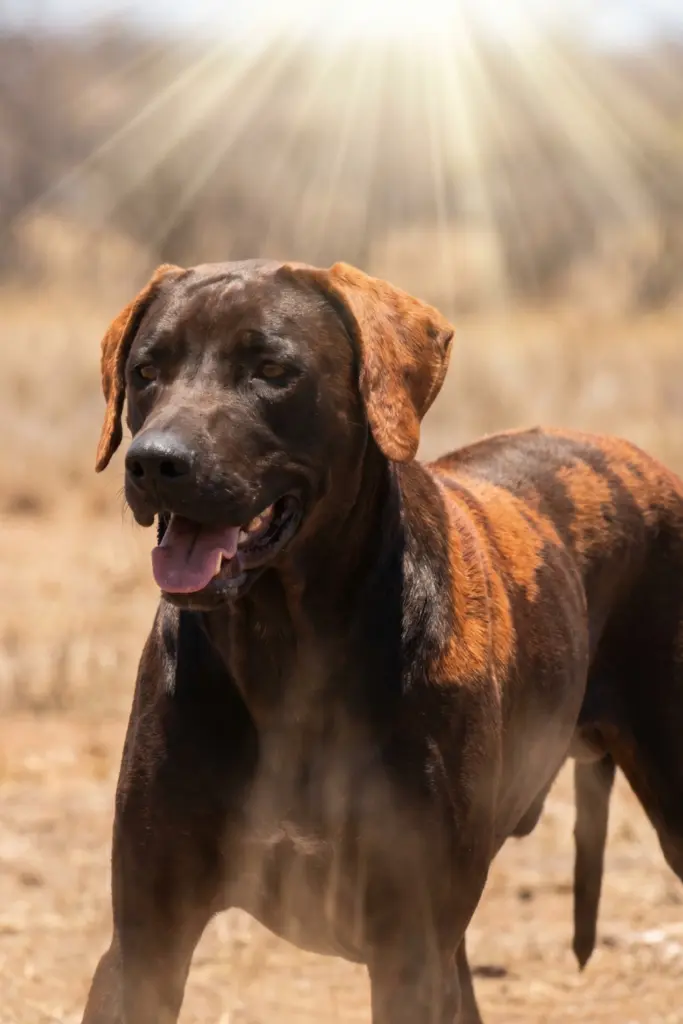
Bright sunlight absolutely destroys rich pigment over time.
Ultraviolet rays literally bleach those stunning mahogany strands into dull orange.
Sunny-colored coats handle harsh radiation significantly better, hiding bleaching effects cleverly.
Protect those dark coats relentlessly if you desire lasting vibrancy.
- Ultraviolet radiation aggressively bleaches deeply pigmented hair follicles.
- Protective sprays become mandatory equipment for darker coated pets.
- Natural camouflage helps lighter dogs hide frustrating sun damage effectively.
6. Facial Point Pigmentation
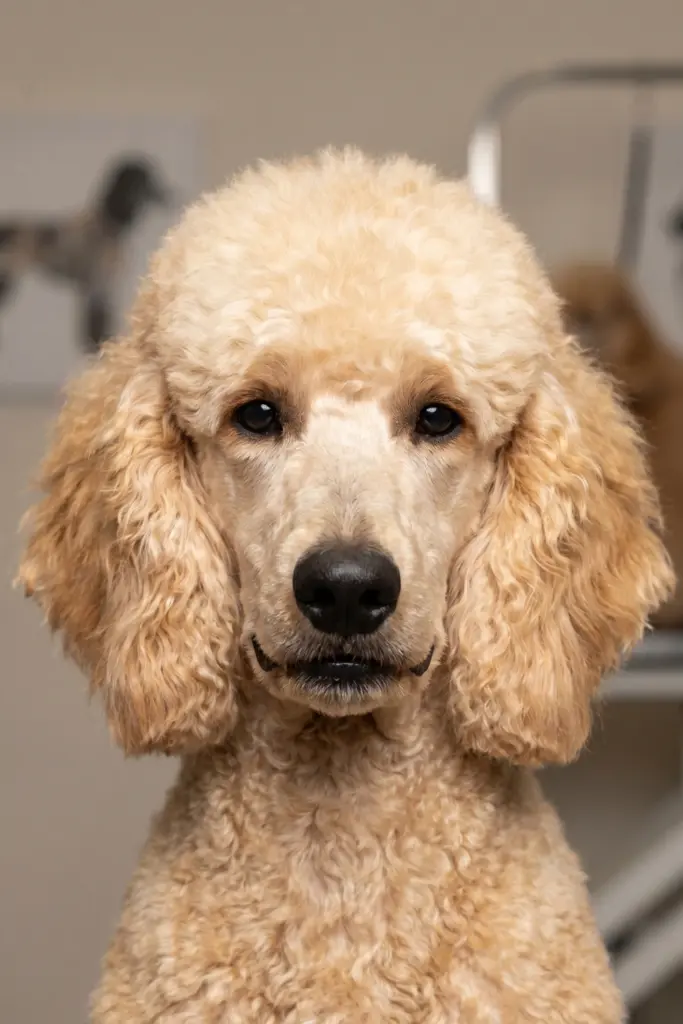
The American Kennel Club mandates strict rules regarding facial features.
Both varieties should ideally display solid black noses, lips, and eye rims.
However, liver-colored points occasionally appear in both genetic lines.
Strong black features create stunning, sharp contrast against warm fur.
- Black noses represent the highest structural standard for these animals.
- Liver points indicate a slight deviation from preferred genetic markers.
- Sharp contrast highlights highly intelligent, expressive facial expressions beautifully.
7. Aesthetic Home Matching
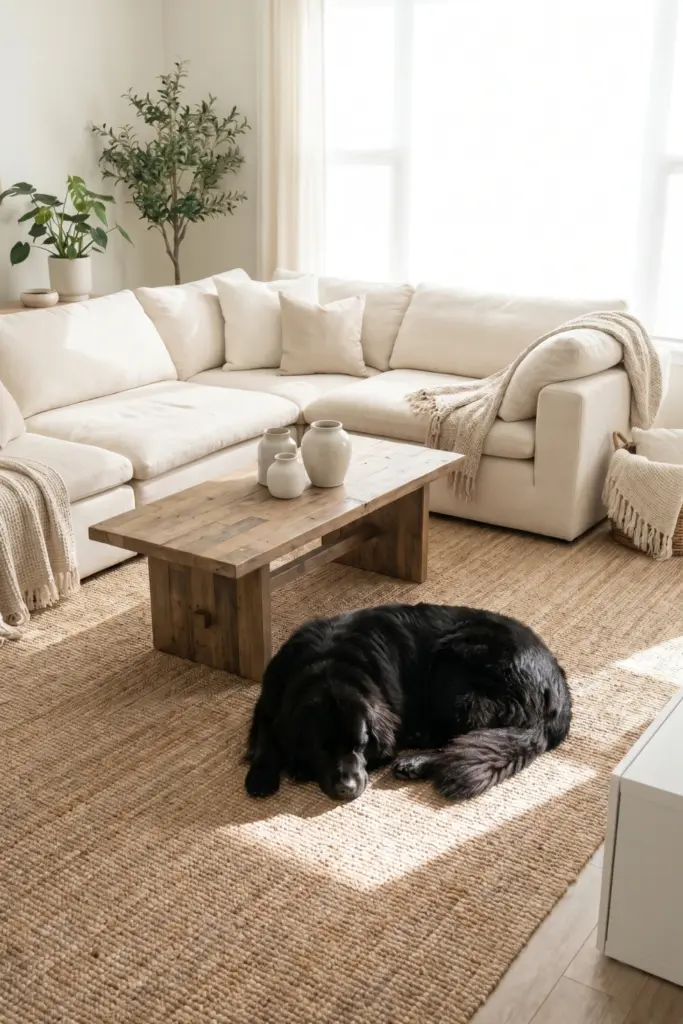
Your pet essentially becomes a permanent moving fixture indoors.
The darker variety creates a bold, rustic statement contrasting sharply against modern white furniture.
Have you considered how your dog looks sleeping on your rug?
Coordinating your furry friend with interior design works flawlessly, IMO.
- Rustic energy radiates fiercely from darker, fiery companions.
- Soft neutrality allows peachy dogs blending seamlessly indoors permanently.
- Visual harmony creates a remarkably peaceful, cohesive living environment.
8. Daily Grooming Demands
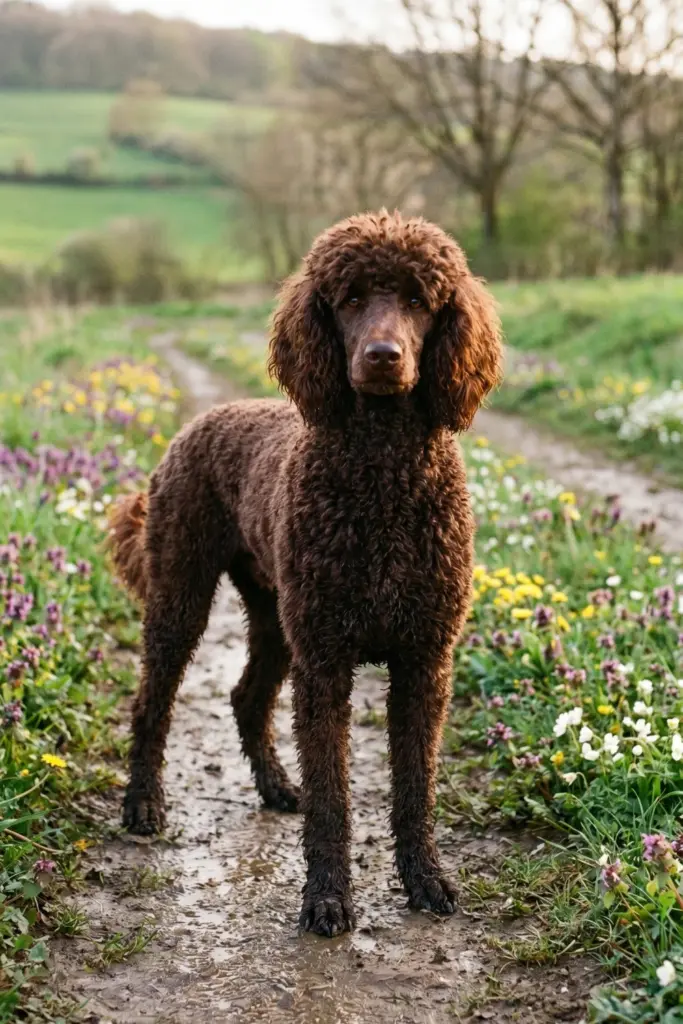
Let me share the truth about muddy springtime walks.
I spend hours scrubbing paws because lighter coats showcase every single speck of dirt.
Mahogany fur acts like brilliant camouflage, hiding mud and debris exceptionally well.
Keeping bright fur pristine requires absolute dedication.
- Dirt visibility peaks exponentially on lighter, brighter coat variations.
- Natural camouflage makes darker dogs appear cleaner than reality dictates.
- Maintenance schedules vary heavily based on your chosen hue.
9. Tear Staining Vulnerabilities

Those annoying brown tear stains ruin a perfectly groomed face.
Dark rust fur hides these exact same stains flawlessly, offering massive cosmetic advantages.
Have you ever tried removing stubborn eye gunk before company arrives?
Pick the dark hue eliminating wiping eyes daily.
FYI, this saves massive headaches.
- Cosmetic advantages strongly favor deeply pigmented, darker companions completely.
- Visible staining plagues owners possessing lighter, sunny-colored pets relentlessly.
- Daily maintenance becomes mandatory preventing permanent facial discoloration effectively.
10. Historical Breed Recognition
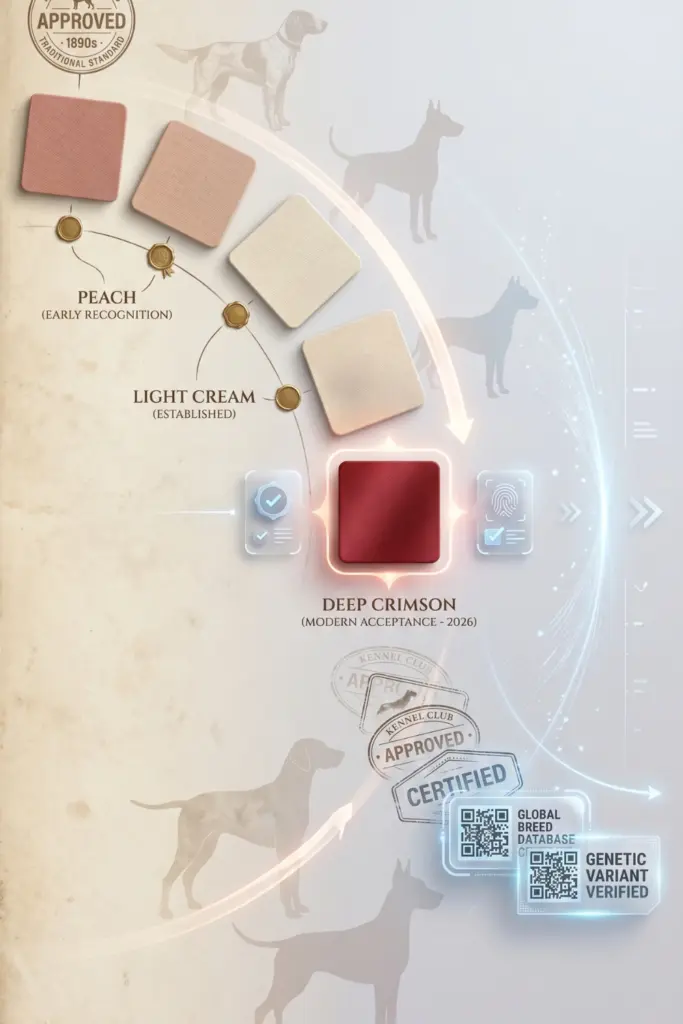
The history behind specific colors fascinates true breed enthusiasts.
Judges formally recognized the peachy tone decades before accepting the darker variation.
The crimson shade only gained official recognition around 1980.
These historical timelines explain why lighter hues feel much more established globally.
- Early acceptance cemented the lighter hue’s legacy among elite breeders.
- Late recognition makes the dark variety feel surprisingly modern today.
- Show ring politics influenced delayed acceptance regarding rustic genetics.
11. Personality Myth Debunking

People constantly ask if coat color affects a dog’s temperament.
Both varieties share the exact same brilliant, energetic, and highly trainable personality.
A mahogany pup fetches tennis balls just as enthusiastically as a sunny one.
Your pet’s upbringing matters infinitely more than genetic shading.
- Temperament myths falsely link specific behaviors directly toward random hues.
- Identical intelligence exists across every single accepted color variation officially.
- Consistent training shapes their incredible personalities permanently and effectively.
12. Photographing Your Pet
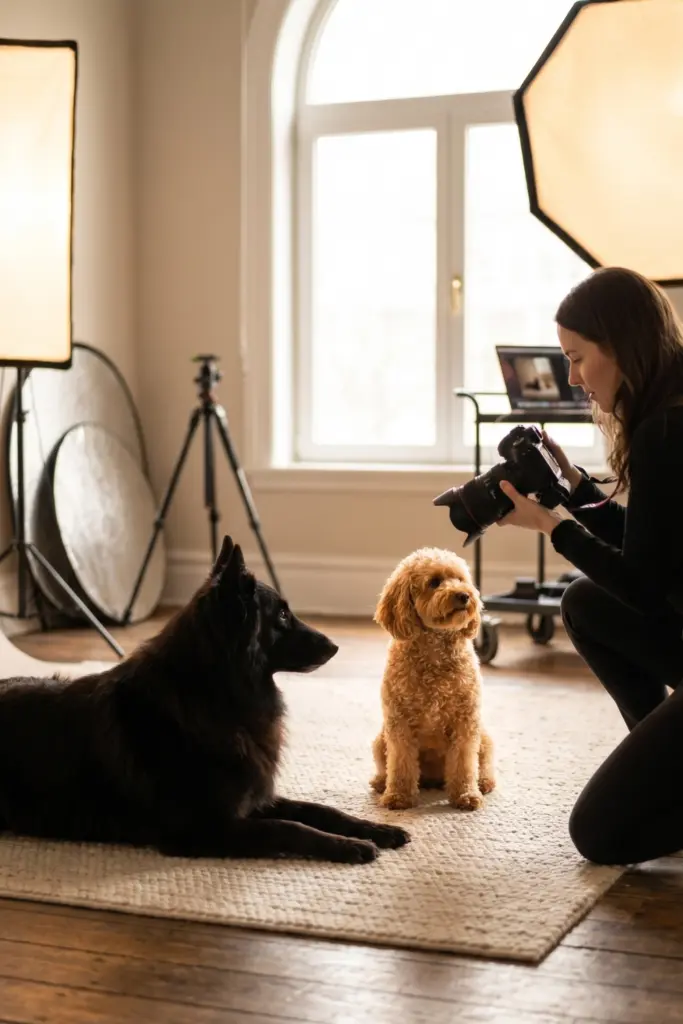
Securing an amazing photograph requires strategic lighting setups.
Camera lenses simply absorb light, turning dark coats into featureless shadows indoors.
Conversely, lighter dogs photograph beautifully under almost any condition.
Consider the lighter option for effortless, stunning portrait sessions showcasing their unique curly texture.
- Light absorption ruins indoor photography sessions featuring darker coats.
- Effortless illumination makes lighter dogs incredibly photogenic everywhere they go.
- Natural sunlight reveals complex, hidden undertones in both varieties perfectly.
13. Making Your Choice
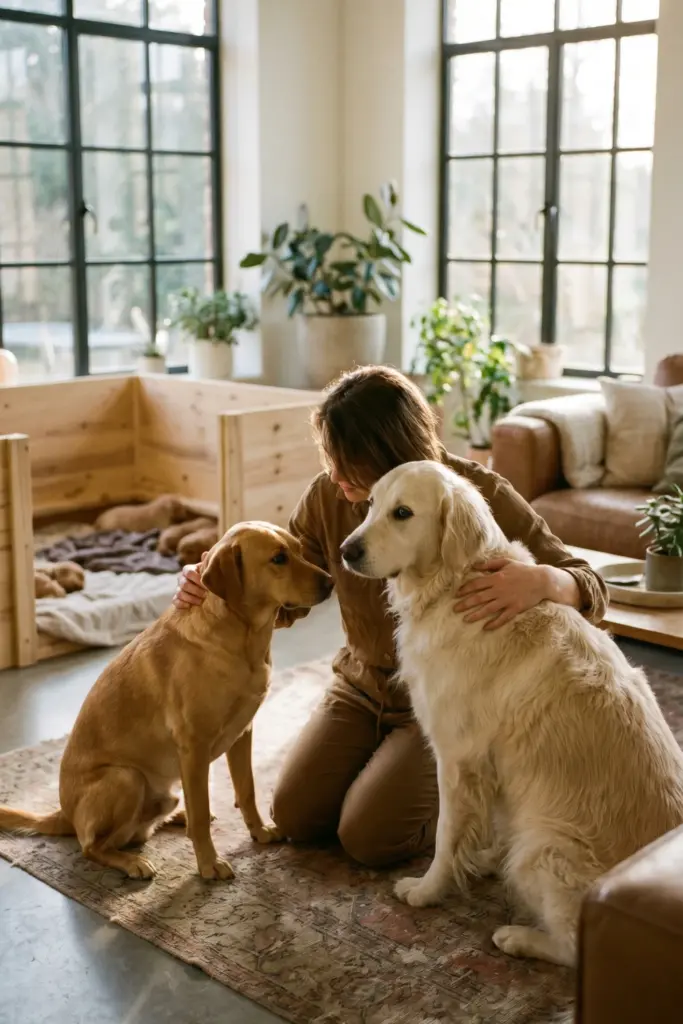
You hold all crucial facts comparing these two beauties.
I advise potential owners visiting breeders and viewing entire litters personally.
Will you prioritize easy maintenance or crave breathtaking visual impact?
Either option guarantees a remarkably intelligent, deeply loving family member forever.
- Personal visits reveal true, stunning vibrancy regarding both distinct hues.
- Maintenance priorities should guide your ultimate selection process quite logically.
- Unconditional love remains guaranteed regardless involving specific genetic coloring.
Conclusion
Wrapping up this comprehensive exploration settles the intense Red Poodle vs Apricot Poodle: Key Differences Explained debate permanently.
You now understand complex fading genetics, strict grooming demands, and pricing realities separating these gorgeous animals.
Ditch the confusion, contact a reputable breeder, and prepare your home for endless joy.
Which stunning shade will ultimately claim your heart?
High-Ranking Topics
- Managing canine coat fading effectively
- Identifying responsible rare line breeders
- Professional curly hair grooming strategies