If you’re curating content for the ultimate dream home vault, you’ve likely seen a romantic shift in interior design.
Audiences are moving away from stark minimalism and craving spaces that tell a story.
Enter the “Poetcore room aesthetic.”
This style blends Dark Academia, vintage romanticism, and cottagecore coziness. Poetcore creates an environment that inspires creativity, reflection, and nostalgia.
It’s perfect for dreamers, writers, and avid readers.
Mastering this look on a home decor site ensures saveable, emotionally rich imagery that boosts visual engagement.
To create this vibe, balance curated clutter, historical textures, and soft, moody lighting.
Whether you’re redesigning your writing space or crafting a pillar article for Pinterest, here’s your guide to the 13 “Poetcore room aesthetic” essentials.
These will transform any room into a stunning literary retreat.
1. The Floor-to-Ceiling Library Wall
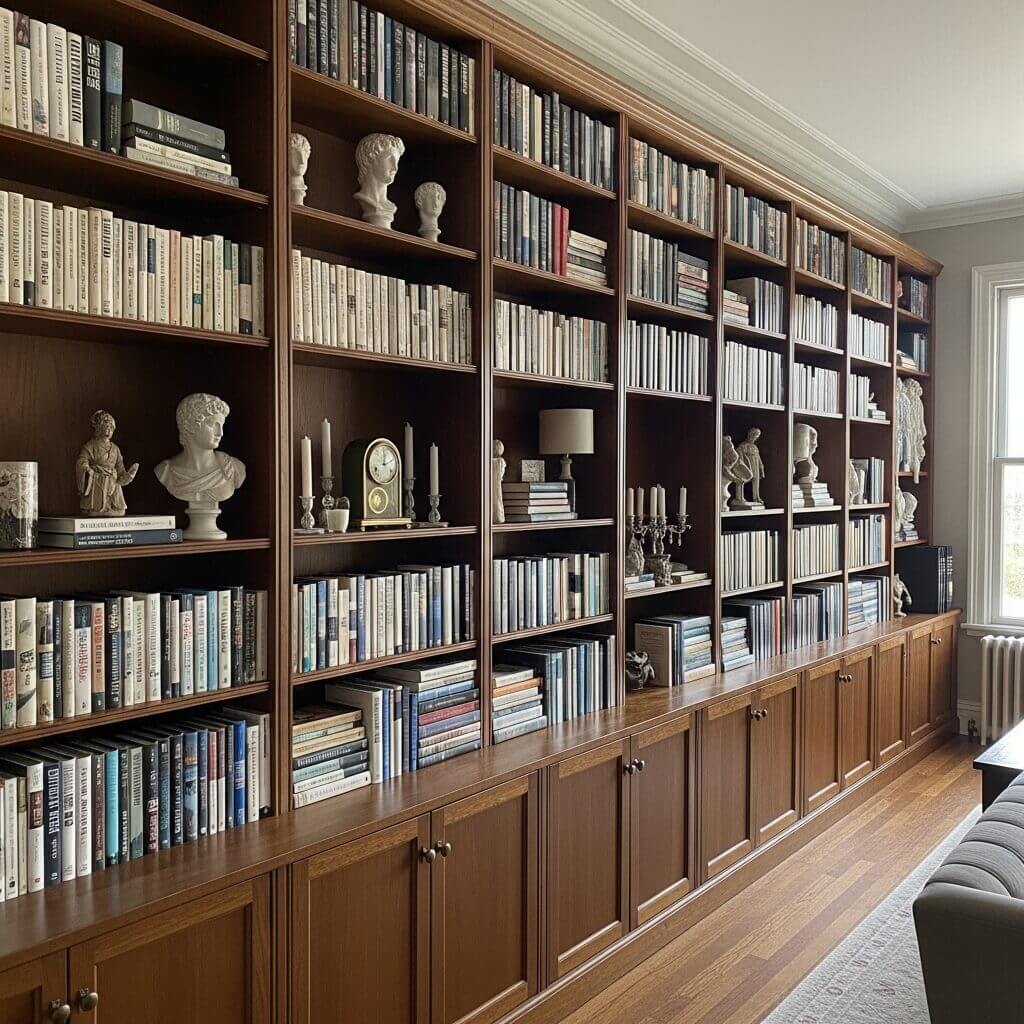
In a Poetcore room, books are not just reading material; they are the primary architectural feature and the soul of the space.
- The Setup: Install floor-to-ceiling wooden bookshelves along the main wall of the room. If built-ins aren’t an option, line up tall, dark wood bookcases side-by-side.
- The Styling: Abandon the modern trend of turning book spines backward or color-coordinating them rigidly. Let the books look loved and read. Stack some horizontally, lean others diagonally, and intersperse the shelves with small marble busts, vintage clocks, and dripping taper candles.
- The Aesthetic Impact: A massive wall of books provides immediate texture, warmth, and intellectual depth. It is the absolute cornerstone of the literary aesthetic and acts as the perfect backdrop for highly engaging lifestyle photography.
2. The Antique Writing Desk
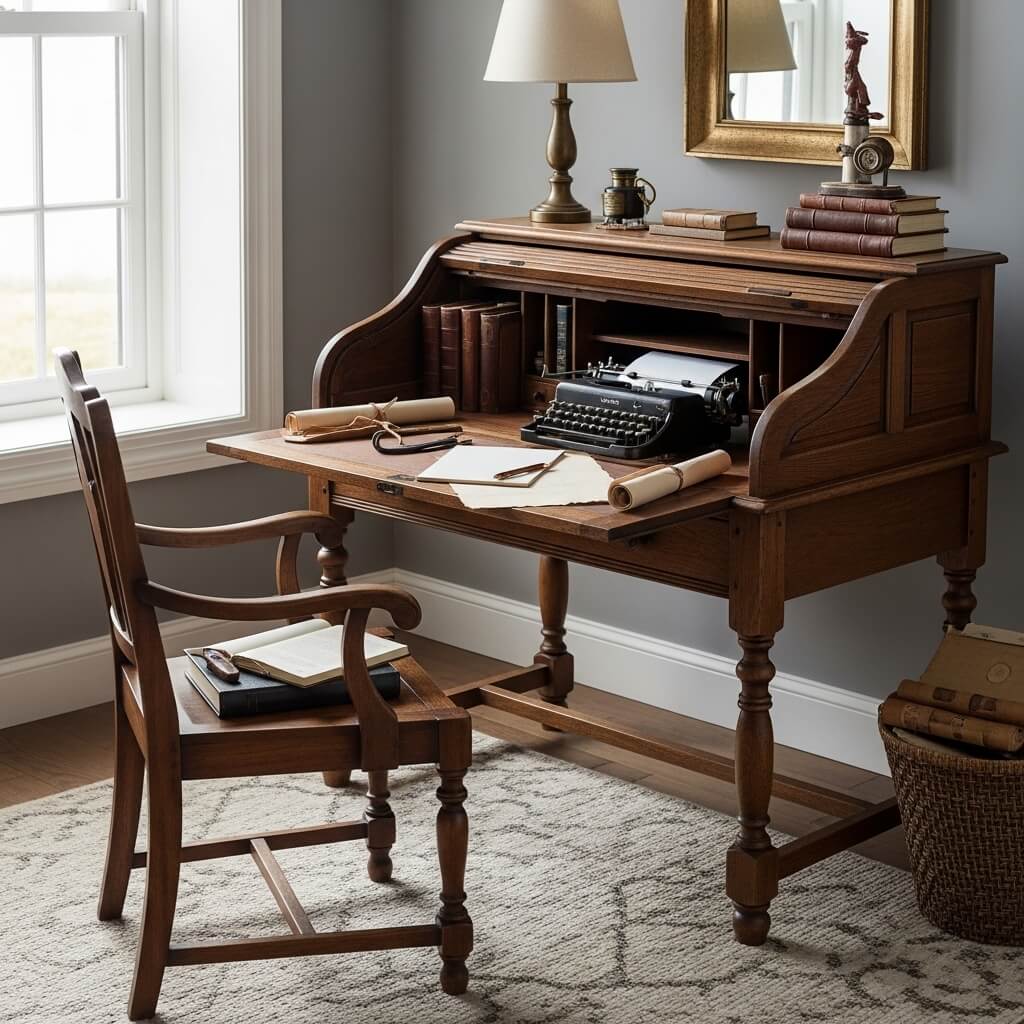
Every poet needs a place to write.
A sleek, modern glass desk will instantly shatter the historical illusion of the room.
- The Furniture: Source an antique, dark wood writing desk—perhaps a roll-top desk, a vintage secretary desk, or a heavily distressed oak table with turned legs.
- The Function & Decor: Place it near a window for natural light. Style the surface with functional, aesthetic tools: a vintage typewriter, a brass inkwell, leather-bound journals, and scattered parchment. This creates a dedicated zone for creativity that looks incredibly authentic and lived-in.
3. The “Faded Parchment and Ink” Color Palette
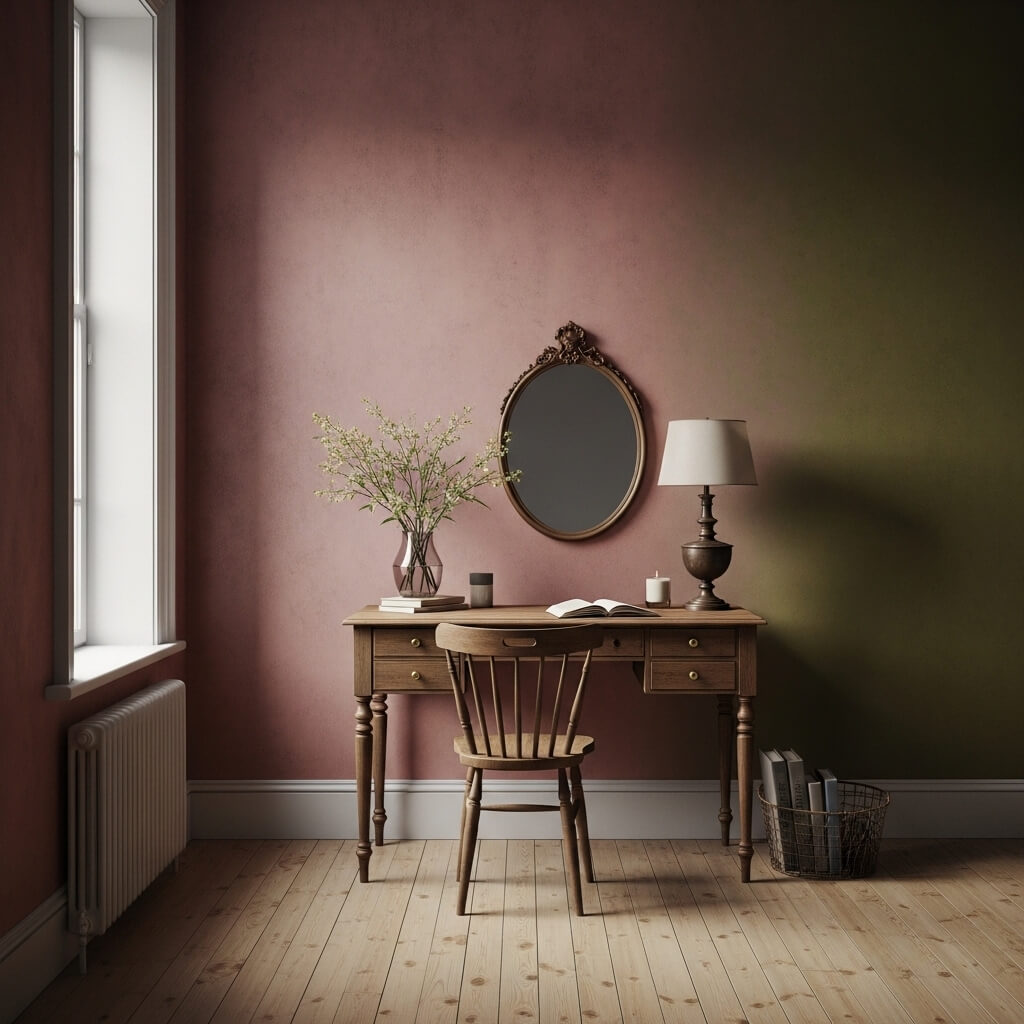
The colors in a Poetcore room should feel like they were pulled directly from the pages of an antique novel.
- The Core Tones: Steer clear of bright, saturated colors or crisp, stark whites. Instead, paint your walls in shades of aged parchment, soft sepia, faded rose, or moody ink-black and deep olive green.
- The Vibe: These muted, slightly dusty colors absorb light beautifully. They create a soft, enveloping atmosphere that feels timeless, melancholic, and deeply comforting—exactly the kind of zen home interior that sparks creative thought.
4. Layered, Distressed Persian Rugs
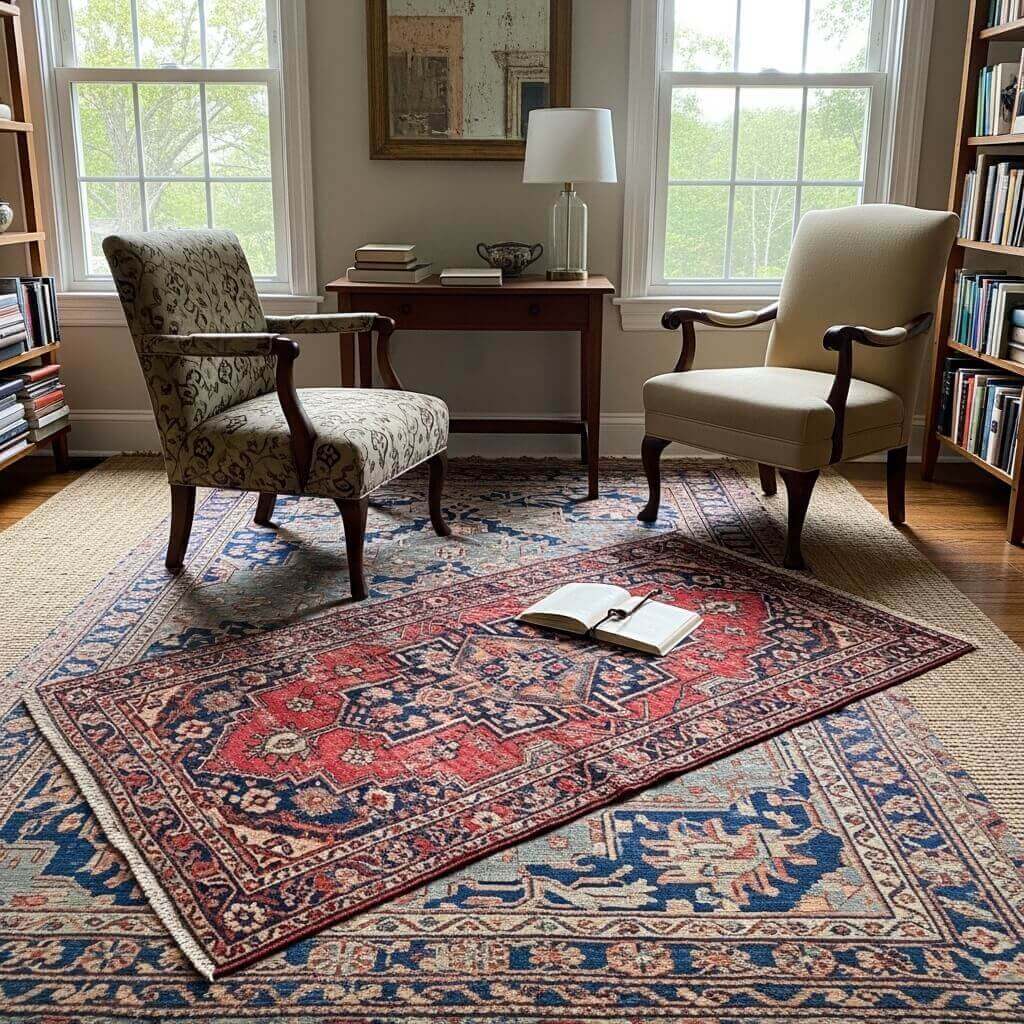
A room dedicated to reading and writing requires excellent acoustics.
Hard, bare floors create echoes that disrupt the peaceful atmosphere.
- The Solution: Cover the floors with heavily patterned, vintage Persian or Turkish rugs.
- The Styling Trick: Do not just use one rug. Layer a smaller, richly colored rug (in deep reds or faded blues) diagonally over a larger, neutral jute or muted wool rug. This layered approach adds a relaxed, collected-over-time bohemian feel that softens the entire room.
5. Handwritten Ephemera as Wall Art
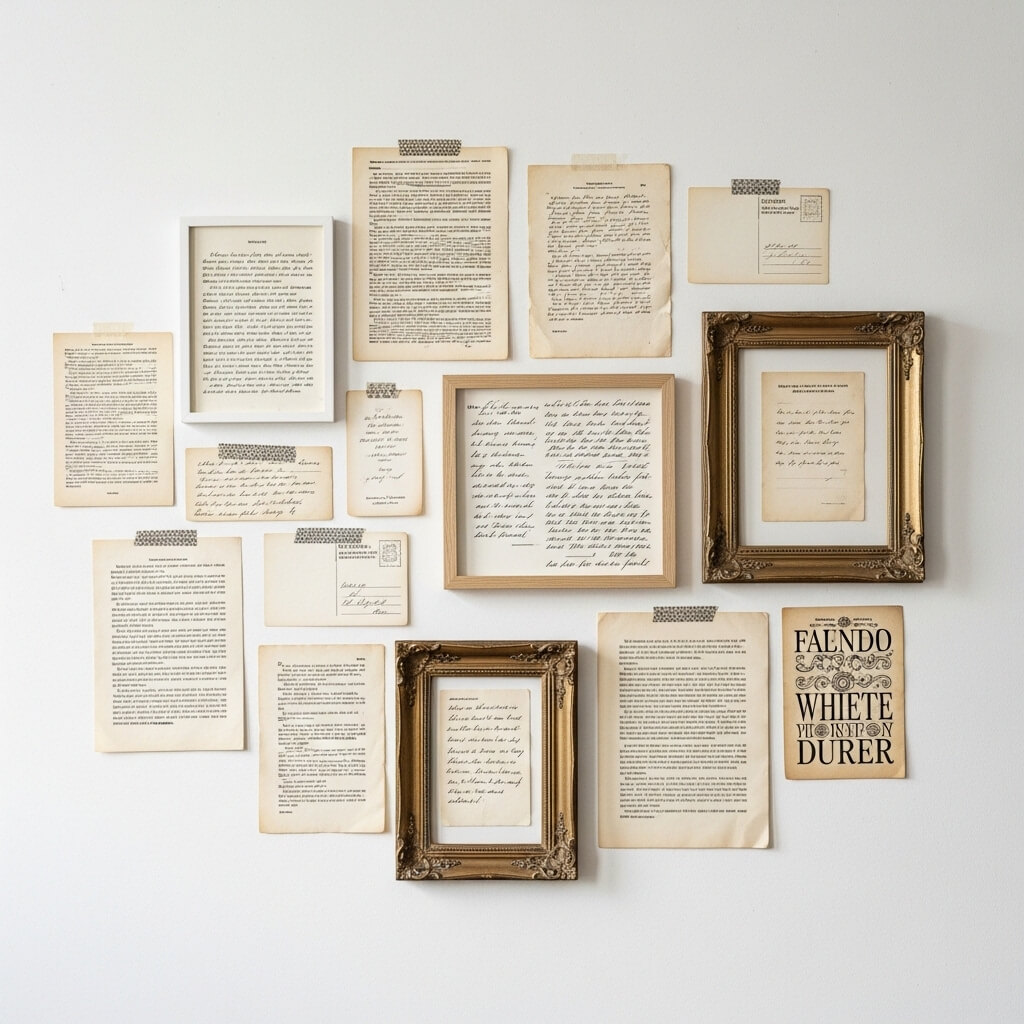
Standard framed abstract prints or modern typography posters do not fit this highly specific niche.
The art must reflect the soul of a writer.
- The Curation: Create an asymmetrical, intentionally messy gallery wall using pages from damaged vintage books, handwritten letters, sepia-toned postcards, and antique sheet music.
- The Execution: Use small pieces of washi tape to stick pages directly to the wall for a raw, effortless look, or frame delicate handwritten letters in ornate, tarnished gold frames. This turns the walls into a literal poetry journal.
6. Ambient, Flickering “Candlelight” Illumination
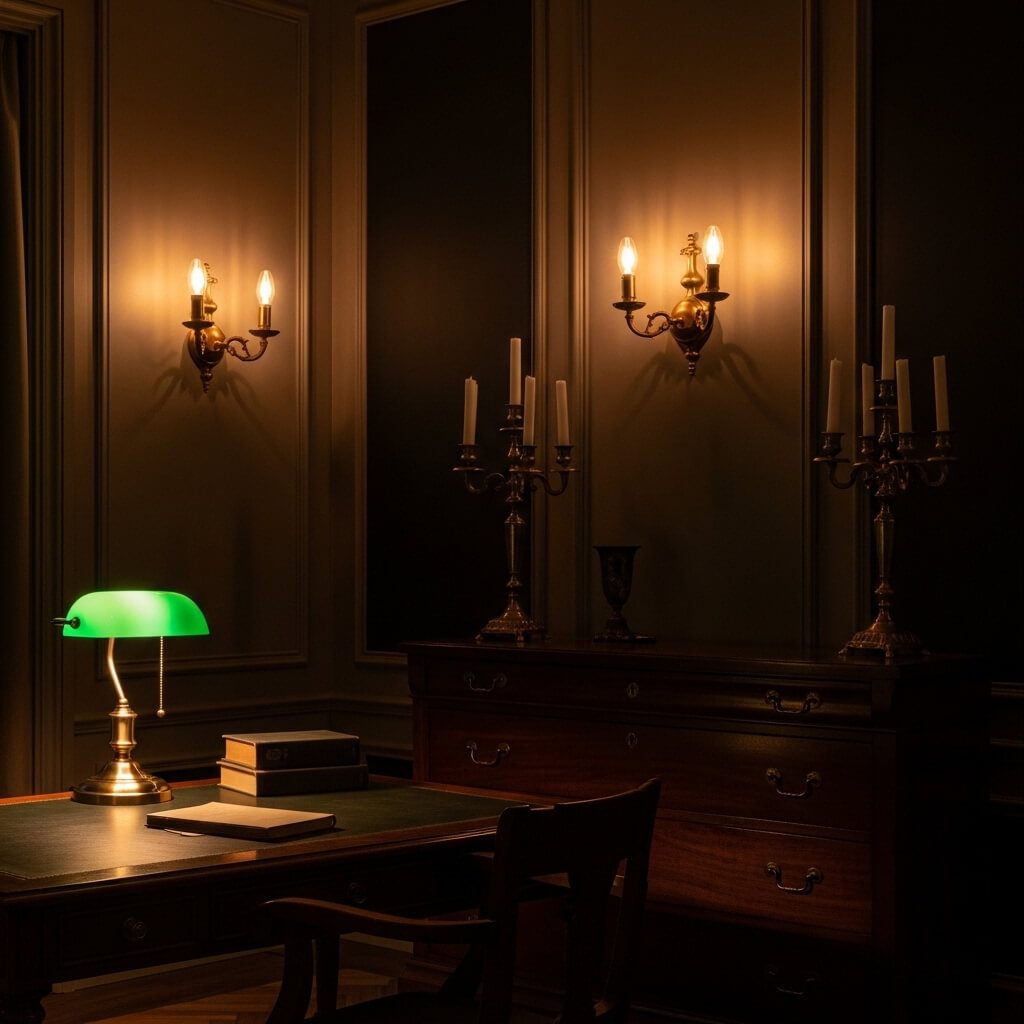
The Poetcore room aesthetic thrives in the shadows.
A bright, glaring overhead ceiling light is strictly forbidden.
- The Lighting Strategy: You must mimic the glow of a 19th-century study. Rely on multiple, low-level light sources.
- The Fixtures: Use a green-glass banker’s lamp on the writing desk, install ornate brass wall sconces with warm amber bulbs (2200K), and place heavy brass candelabras on dressers. The interplay of warm light and deep shadow is what makes this aesthetic so photogenic and emotionally captivating.
7. Heavy, Romantic Window Treatments
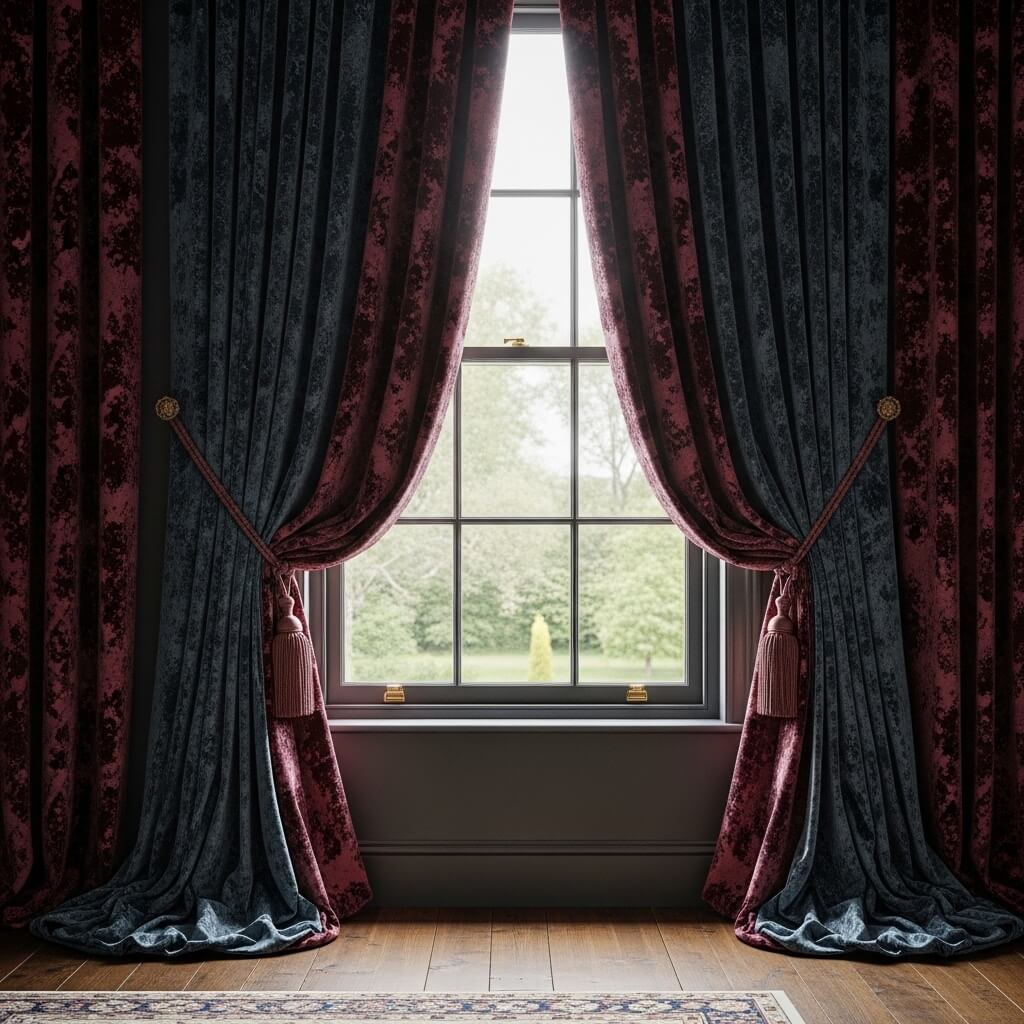
Windows in this aesthetic are not just for letting in light; they are for framing the outside world dramatically while you sit and ponder.
- The Fabric: Install floor-to-ceiling drapes in heavy, luxurious fabrics like crushed velvet, thick linen, or heavy brocade. Colors like deep burgundy, forest green, or midnight blue work perfectly.
- The Detail: Allow the drapes to pool generously on the floor. Tie them back with heavy silk tassels or ornate brass holdbacks. This adds an undeniable layer of Victorian romance and theatrical coziness to the space.
8. Soft, Ruffled Linens and Quilted Bedding
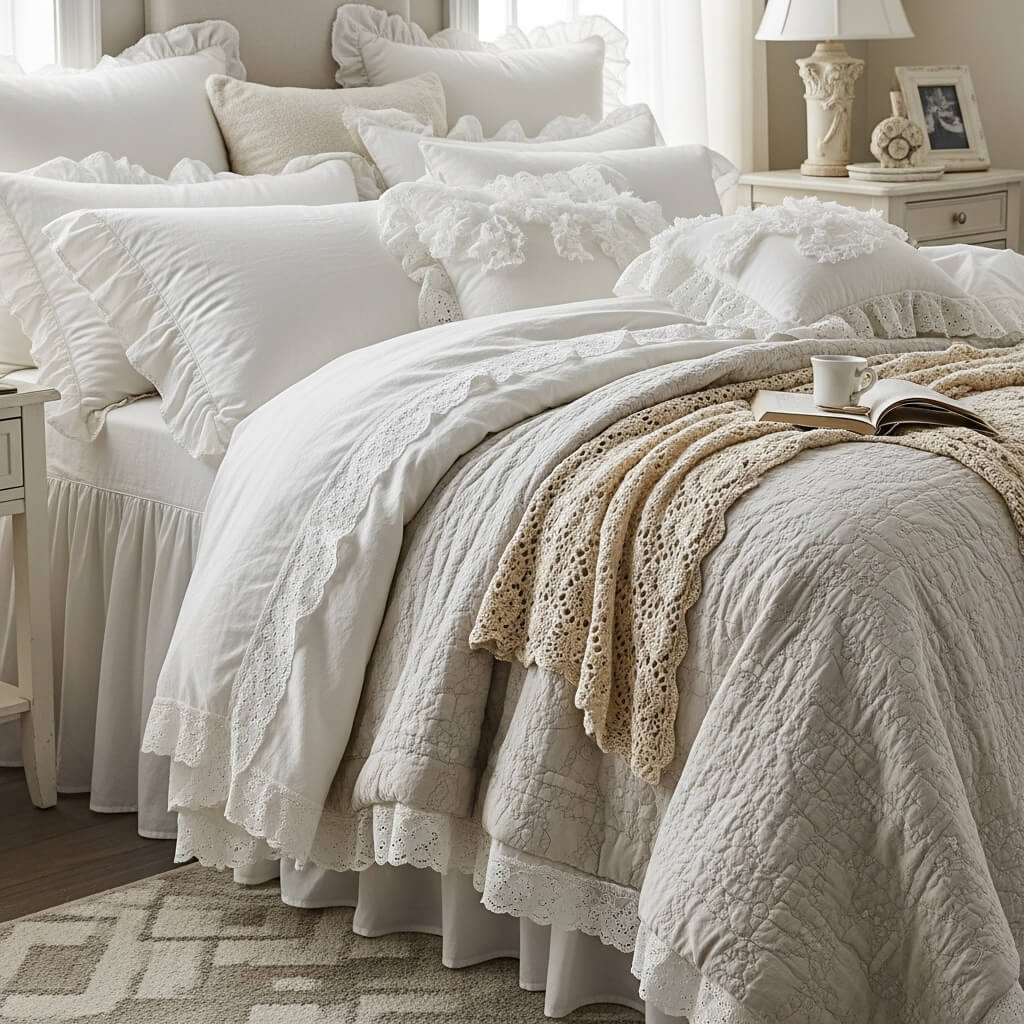
If this aesthetic is being applied to a bedroom, the bed must look like a soft, safe haven to retreat to after a long day of writing.
- The Bedding: Avoid stiff, perfectly ironed modern hotel bedding. Choose 100% washed linen or cotton percale sheets with delicate lace or ruffled edges.
- The Layers: Layer the bed heavily with vintage-style quilts, a crocheted throw blanket, and an abundance of plush, feather-filled pillows. The bed should look slightly unmade, inviting, and deeply romantic.
9. Tarnished Brass and Antique Gold Accents
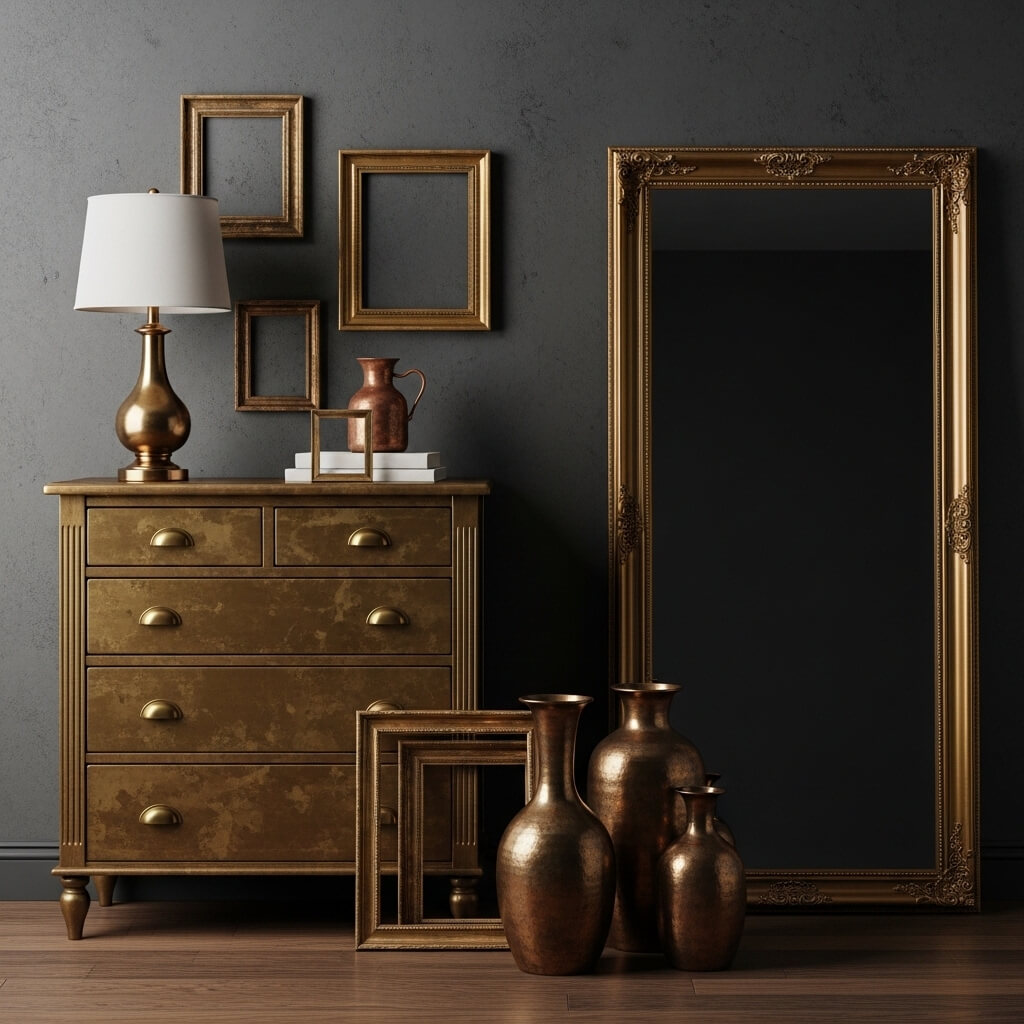
The hardware and metallic accents in the room serve as the “jewelry” of the space, catching the dim light and adding historical character.
- The Metals: Chrome, brushed nickel, and matte black are too modern. You need metals that show the passage of time.
- The Application: Incorporate tarnished brass drawer pulls, antique gold picture frames, and oxidized copper vases. An oversized, ornate gold floor mirror leaning against the wall is an absolute staple of the aesthetic, perfect for bouncing ambient light and taking aesthetic reflection photos.
10. The “Cluttered but Curated” Philosophy
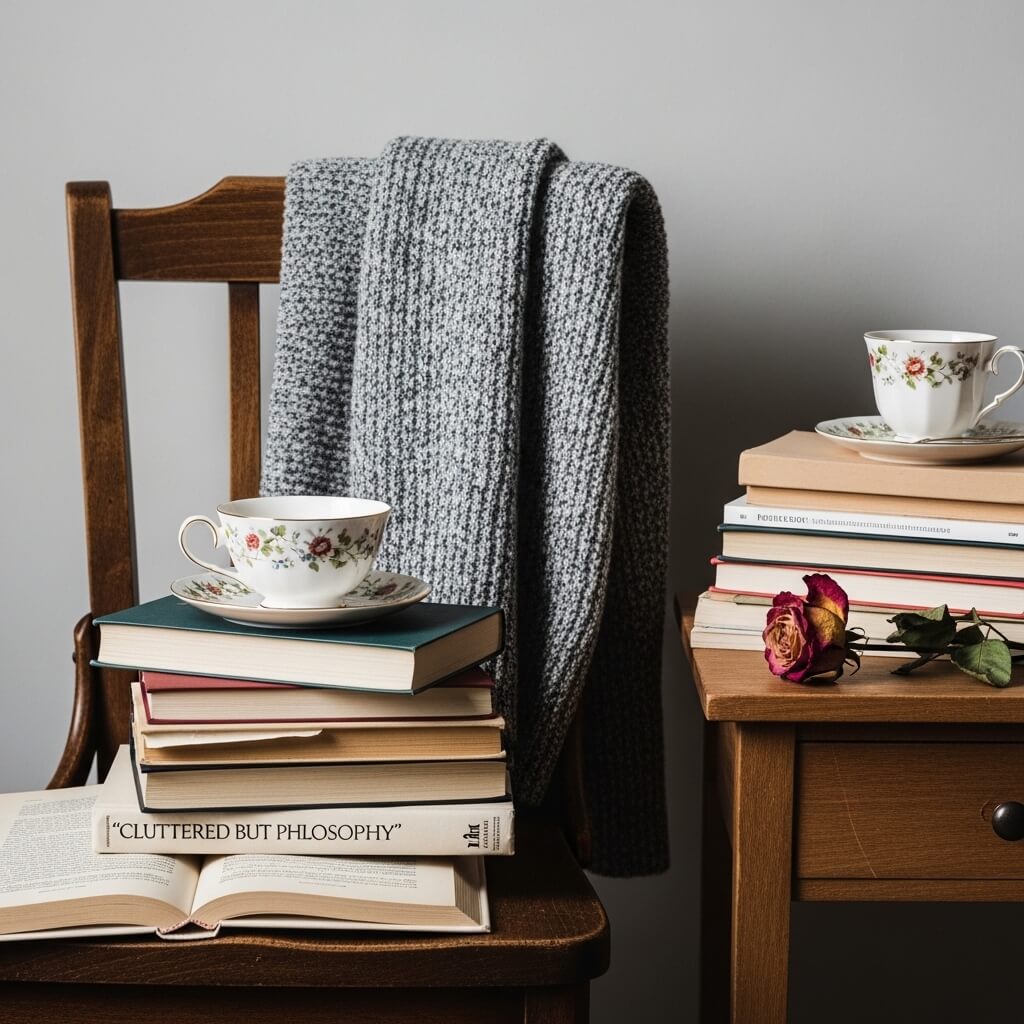
Unlike strict minimalism, Poetcore embraces a certain level of clutter—but it is highly intentional, romantic clutter.
“In the Poetcore aesthetic, every object on display should look like a cherished memory, a muse, or a tool for creation.”
- The Execution: Allow teacups to rest on stacks of books. Leave a knit sweater draped casually over the back of a wooden chair. Keep a stack of poetry volumes on the nightstand alongside a dried rose. It is the visual representation of a beautifully busy, artistic mind.
11. Dried Botanicals and Foraged Nature
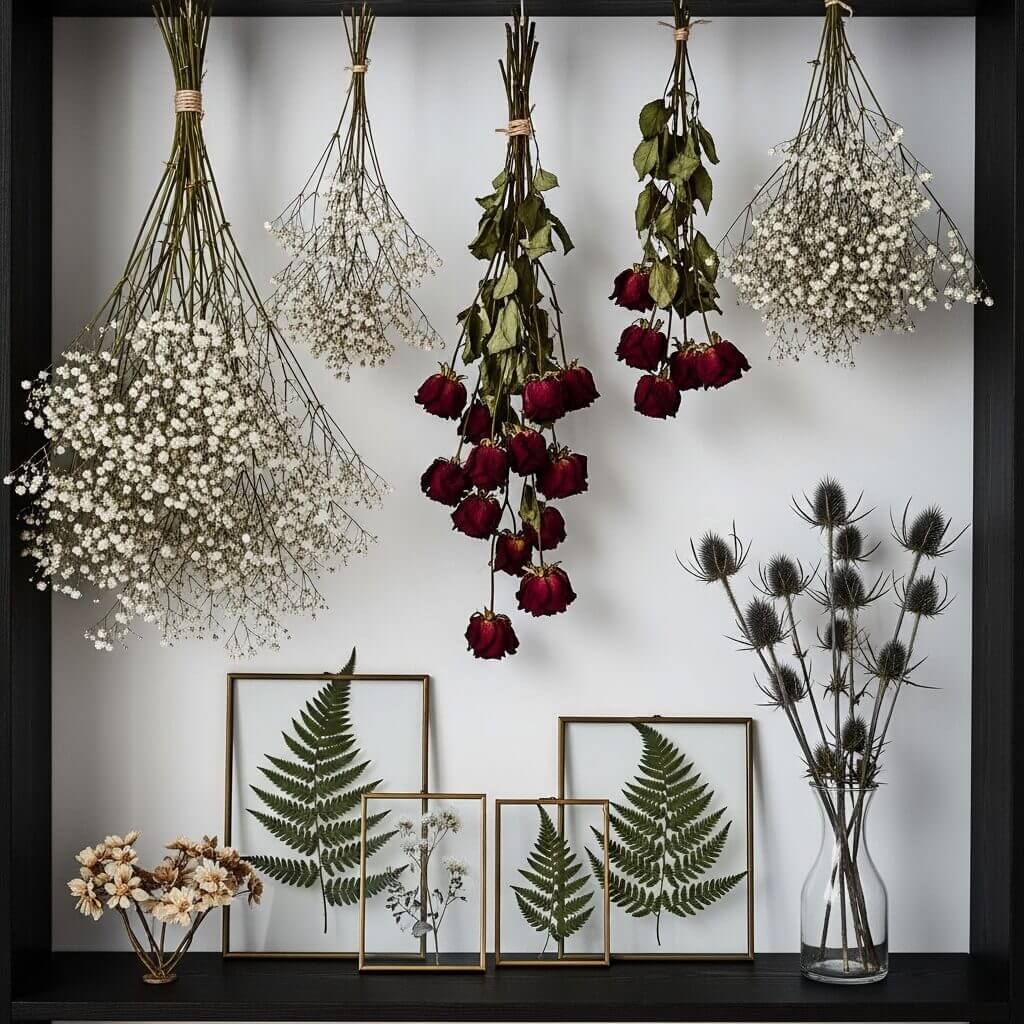
Fresh, bright, tropical flowers clash with the moody, nostalgic vibe.
The nature you bring indoors should feel frozen in time.
- The Botanicals: Decorate with bundles of dried baby’s breath, dark red dried roses hanging upside down from a shelf, pressed ferns in glass frames, or a simple vase of dried thistle.
- The Aesthetic Impact: Dried flowers represent the fleeting nature of time and beauty—a classic poetic theme. They also provide incredible, brittle textures that contrast beautifully with soft velvet and smooth paper.
12. The Dedicated Window Seat Reading Nook
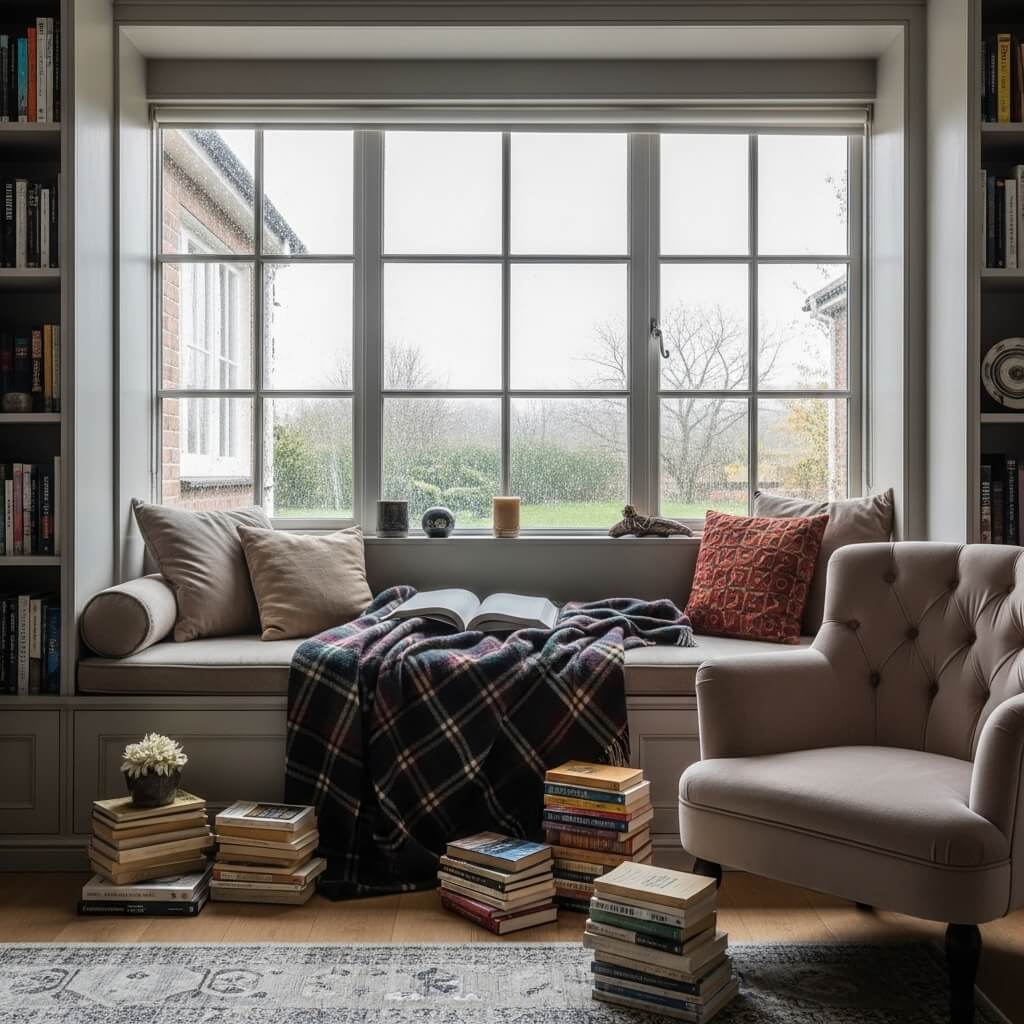
Every literary sanctuary needs a specific place dedicated solely to getting lost in a good book while watching the rain.
- The Setup: If you have a recessed window, build a custom bench seat. If not, pull a plush, tufted velvet armchair directly up to the window.
- The Accessories: Drape the seat with a heavy wool tartan blanket and surround it with stacks of books on the floor. This creates a cozy, highly intentional vignette that audiences adore saving to their “dream home” boards.
13. Aromatic Layering (Old Books & Petrichor)
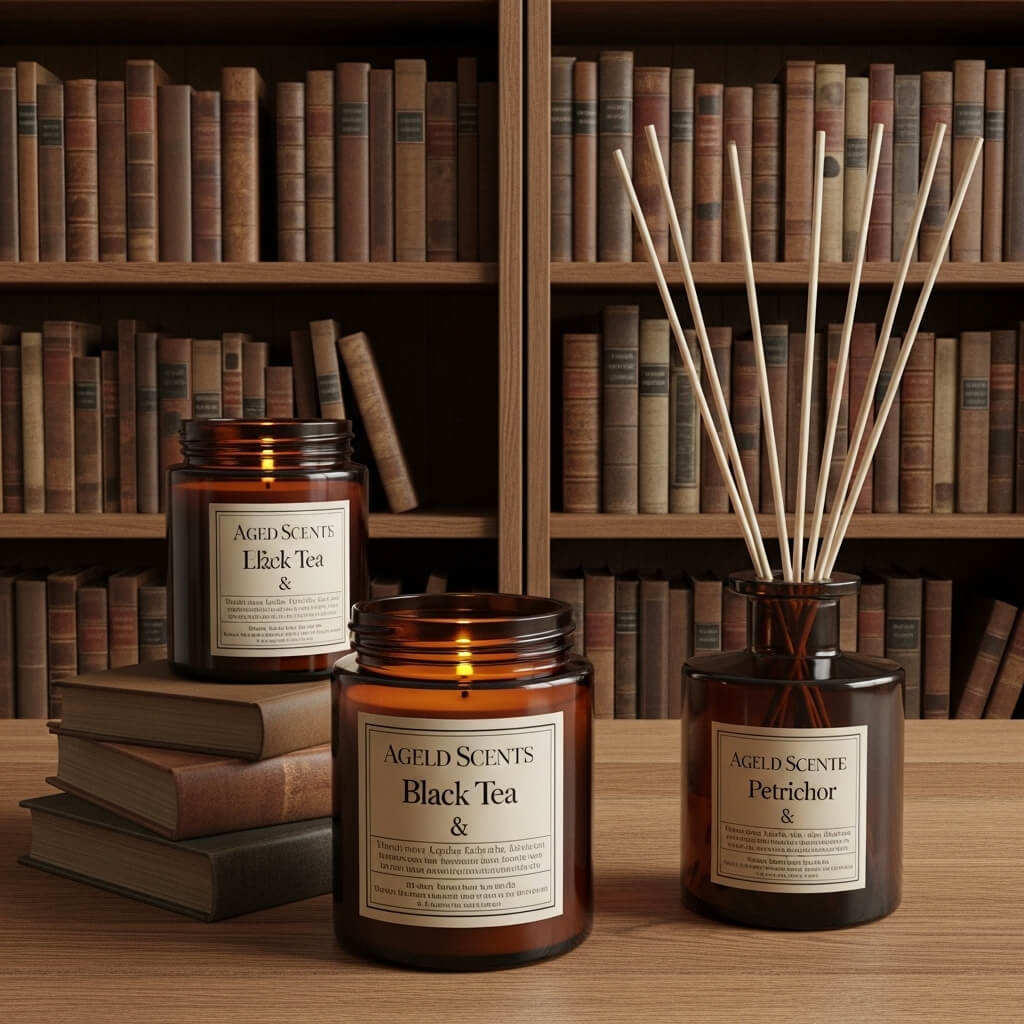
To truly cement the lifestyle aspect of this design trend, you must design for the sense of smell.
- The Scents: The room should smell like a vintage library on a rainy afternoon.
- The Integration: Display aesthetic amber-jar candles or use a diffuser with fragrance notes of aged paper, leather bindings, black tea, cedarwood, and petrichor (the smell of rain on dry earth). It is the final, invisible layer of design that makes the room unforgettable.
The Literary Design Cheat Sheet: Quick Reference
To ensure your styling stays on track and highly optimized for your visual content, use this quick-reference guide when curating pieces for this aesthetic:
| Design Element | The Poetcore Approach | The Visual Benefit for Pinterest |
| Color Base | Parchment, Sepia, Ink Black, Faded Rose. | Creates a soft, moody, highly emotional atmosphere. |
| Lighting | Brass desk lamps, candlelight, warm amber bulbs. | Produces dramatic shadows and a cinematic glow. |
| Textures | Crushed velvet, worn leather, rough paper. | Adds rich, tactile history to every surface. |
| Decor | Floor-to-ceiling books, typewriters, dried roses. | Communicates an intellectual, deeply romantic lifestyle. |
Final Thoughts on Your Literary Retreat
Mastering the 13 “Poetcore room aesthetic” concepts means embracing history, emotion, and literature.
It’s a shift from the stark emptiness of modern minimalism.
Instead, invite objects that spark your imagination.
Use warm, faded colors and create architectural weight with floor-to-ceiling books.
Add romantic textures like velvet and dried botanicals.
This transforms your room into a muse.
This blend of moody academia and cozy nostalgia creates a captivating sanctuary.
It will inspire you and attract attention to your interior design portfolio.