Finding beauty in the imperfect, the temporary, and the unfinished is at the heart of Wabi-Sabi, a Japanese philosophy.
In today’s world, which often values flawless designs and perfect symmetry, Wabi-Sabi offers a comforting alternative.
It encourages us to slow down, appreciate natural aging, and create homes that feel personal and lived-in.
For interior design lovers, sharing this aesthetic is rewarding.
Wabi-Sabi spaces resonate with many because they feel like real sanctuaries—places where life happens, not just museum displays.
This guide explores how to create these authentic spaces.
We’ll look at textures, furniture, artisan touches, and subtle lighting that bring this philosophy to life.
Here are the top 13 elements of Wabi-Sabi interior decor for living rooms, walls, and handcrafted bedrooms.
These will transform your home and create shareable, visually captivating content for your audience.
1. The Living Space: Embracing Asymmetry and Flow
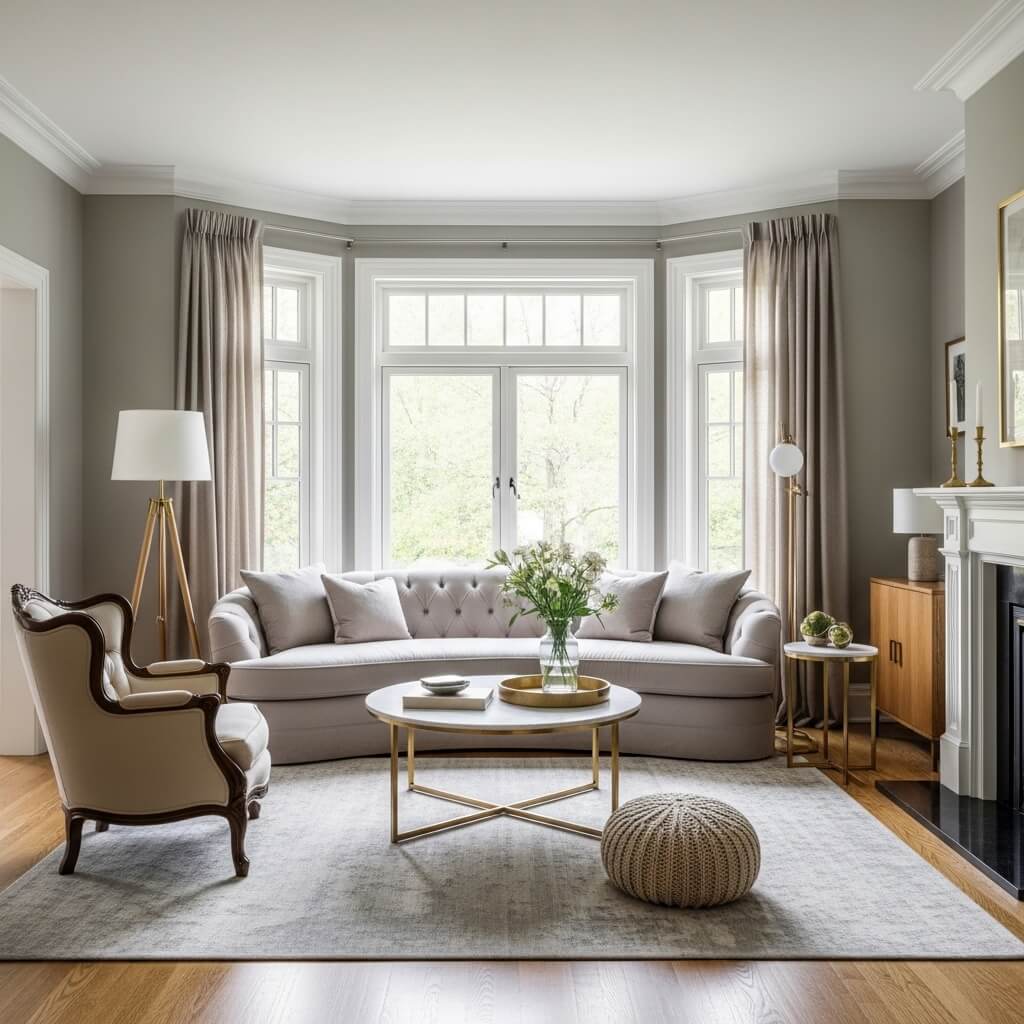
A traditional living room often emphasizes symmetry—matching sofas, identical tables, and centered rugs. Wabi-Sabi changes this view.
Rather than forcing balance, it focuses on visual weight and natural flow. Arrange seating to feel relaxed and conversational.
A curved sofa with a unique vintage armchair creates a welcoming vibe, unlike a rigid set.
This design draws the eye around the room, making it feel like a natural landscape.
2. Wall Treatments: The Magic of Limewash and Plaster
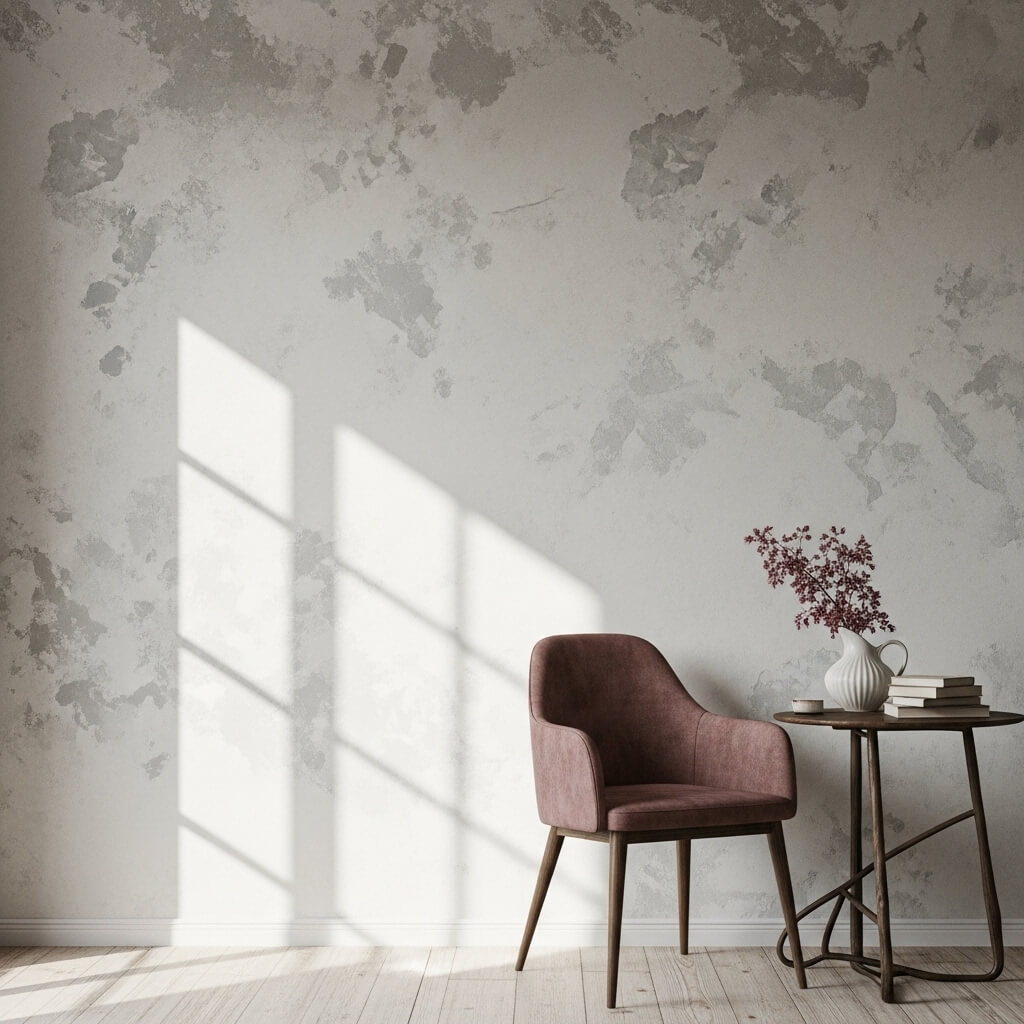
Standard flat paint has no place in Wabi-Sabi homes. To capture this style, walls need movement, depth, and texture.
Limewash and Roman clay are ideal choices.
These materials are applied by hand, creating a mottled, cloudy finish. The walls catch light differently throughout the day, adding shadows and highlights that bring the room to life.
This textured backdrop is perfect for interior photography.
3. Handcrafted Details: Artisan Ceramics and Pottery
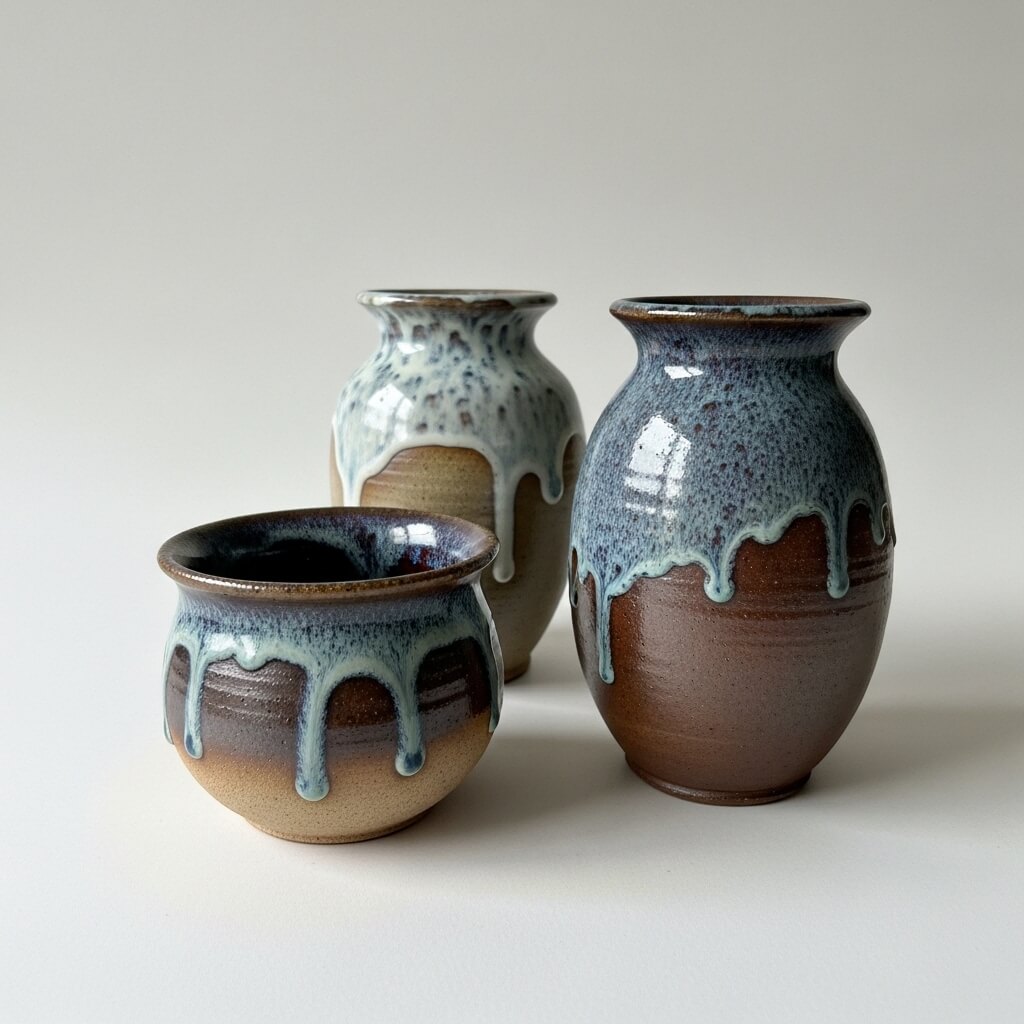
Wabi-Sabi celebrates the human touch. Mass-produced decor lacks the soul needed for this style.
Instead, fill your space with handcrafted ceramics.
Look for pieces with irregular glazes or asymmetrical rims.
A hand-thrown vase with a rough exterior holds more interest than a smooth, factory-made one.
These items tell a story, adding authenticity and warmth that machines can’t replicate.
4. The Wabi-Sabi Bedroom: Layered Natural Linens
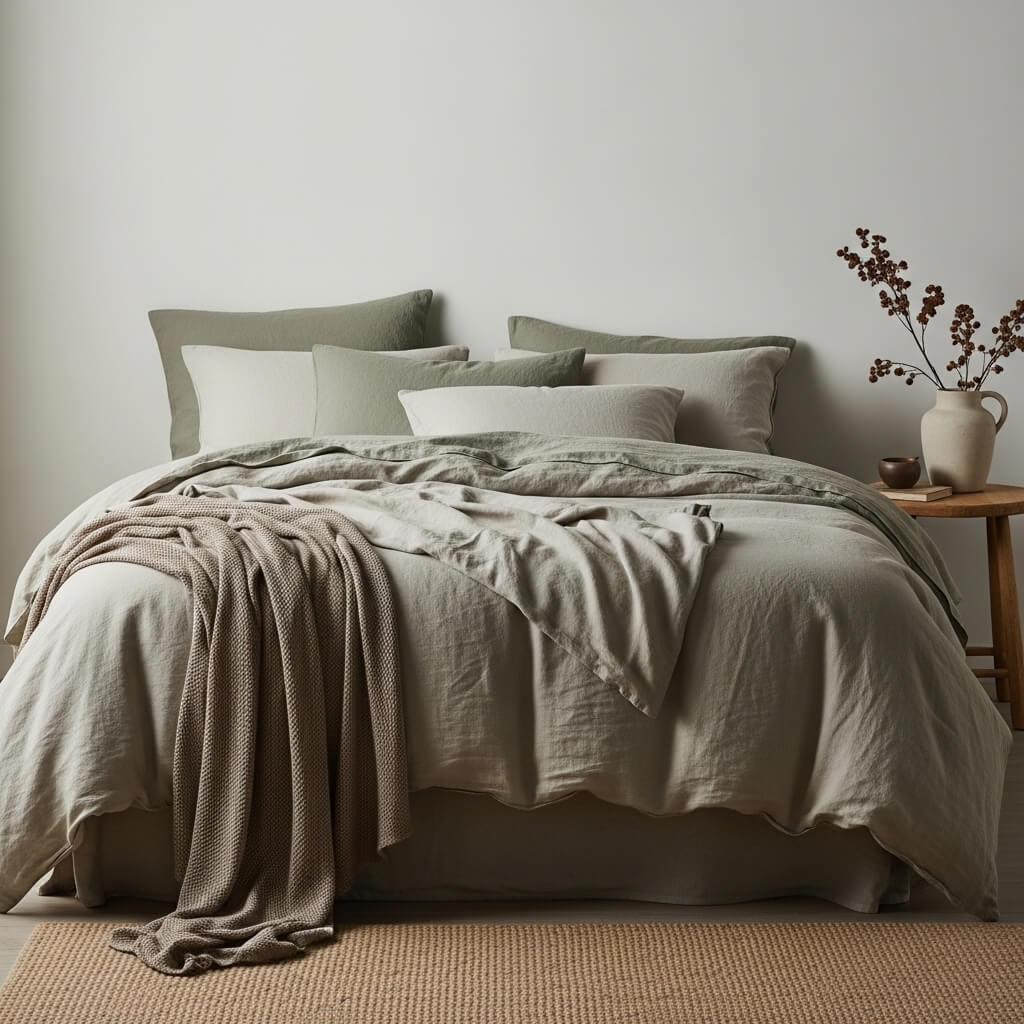
The bedroom should be a calm sanctuary. Swap crisp cottons for relaxed, slightly rumpled linen bedding. Linen has an earthy texture that fits Wabi-Sabi perfectly.
Layering is key—use a linen duvet over linen sheets, and drape a loosely woven throw at the foot of the bed.
Stick to muted, nature-inspired tones like oatmeal and sage.
The goal is a bed that looks inviting because it isn’t perfectly made.
5. Living Room Furniture: Low-Profile and Grounded
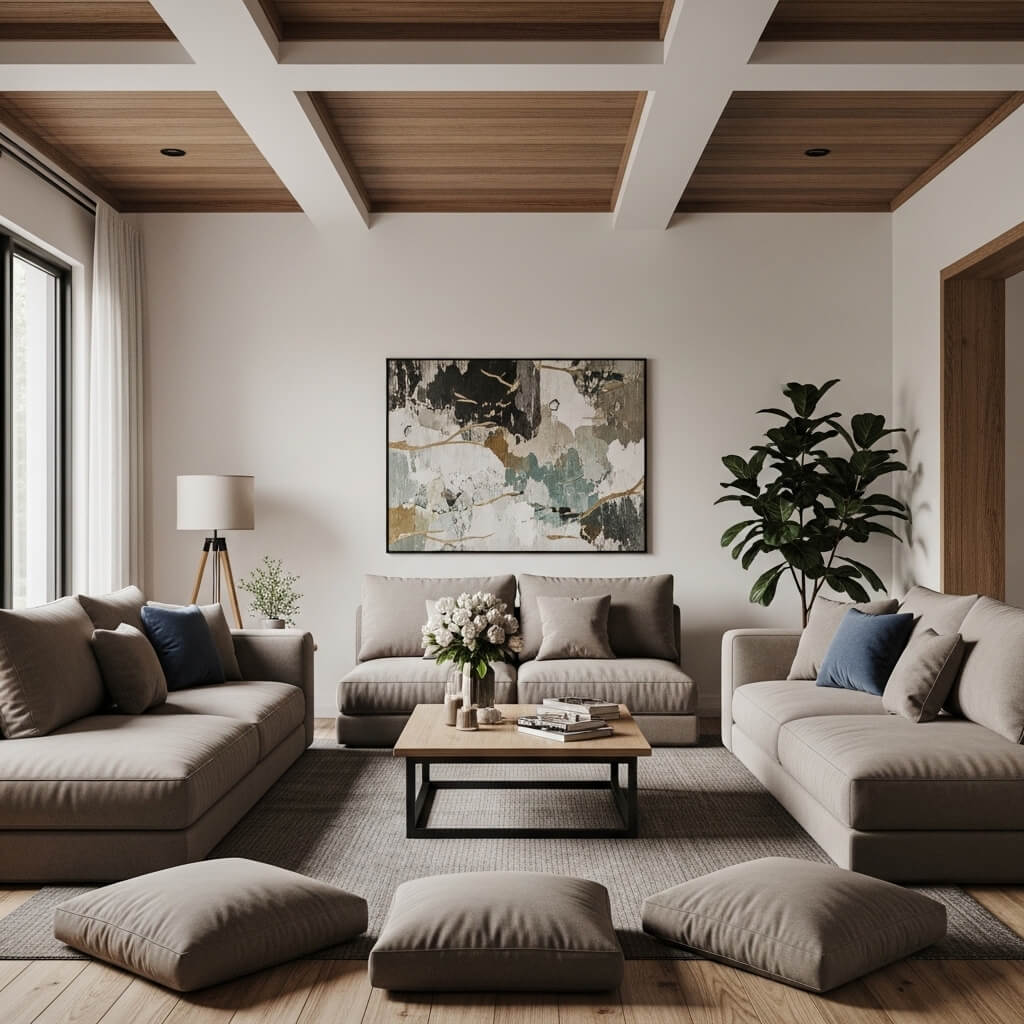
Wabi-Sabi spaces often use low-profile furniture to create intimacy.
Sofas close to the floor, low coffee tables, and floor cushions change the room’s perspective.
This design opens vertical space, making the ceilings feel higher and the room more expansive. It keeps the energy grounded and tranquil.
This small shift in proportion changes how the living area feels.
6. Bare Walls: The Art of Emptiness (Ma)
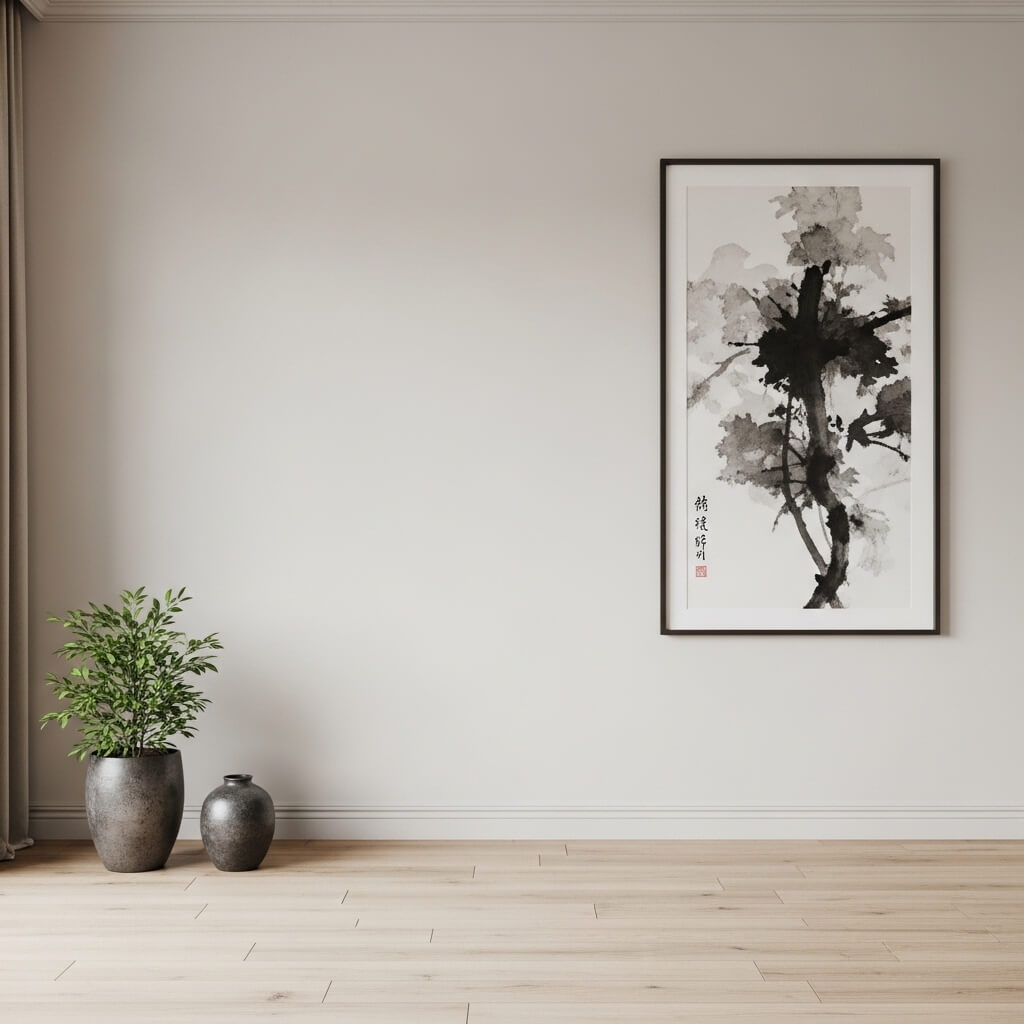
In Western design, empty walls are a problem to solve. In Wabi-Sabi, emptiness is part of the design.
Leaving walls bare lets architecture and textures breathe.
When hanging art, choose a single, impactful piece—like a minimalist ink wash painting. Give it space. The silence around it matters as much as the art itself.
7. Handcrafted Wood: Celebrating Raw Edges and Grain
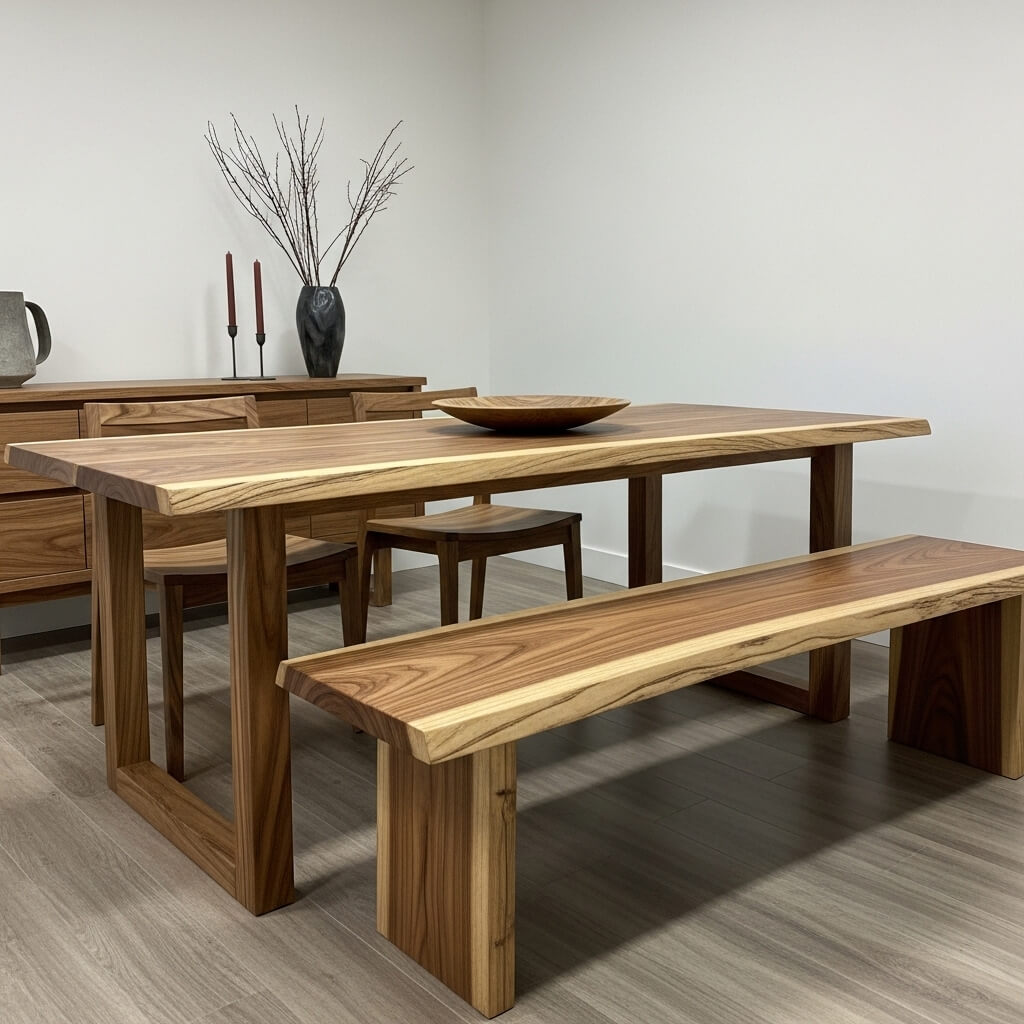
Wood is essential in Wabi-Sabi, but it should be natural. Avoid high-gloss finishes and sharp angles.
Look for furniture that highlights the raw edge of timber.
A dining table or bench showcasing natural curves and deep grain patterns becomes a focal point.
Treating wood with natural oils allows it to age beautifully, adding to its appeal.
8. The Bedroom: Minimalist Platform Beds
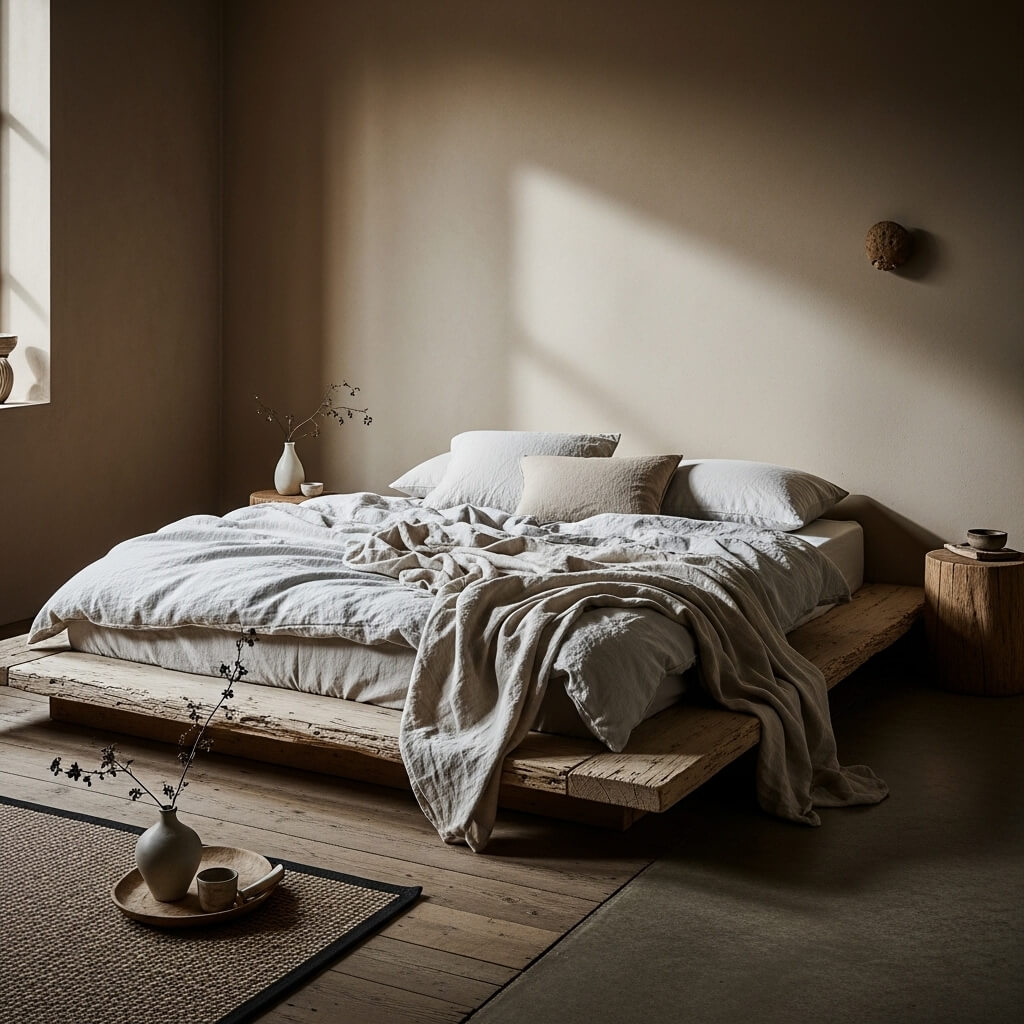
The Wabi-Sabi bedroom favors simple, low platform beds over massive frames. Often made from reclaimed wood, these frames focus on essential function.
The lack of a tall headboard keeps lines clean and promotes restfulness.
Pair this with textured linen bedding, and the bed blends seamlessly into the room.
9. Living Space Elements: Organic and Irregular Shapes
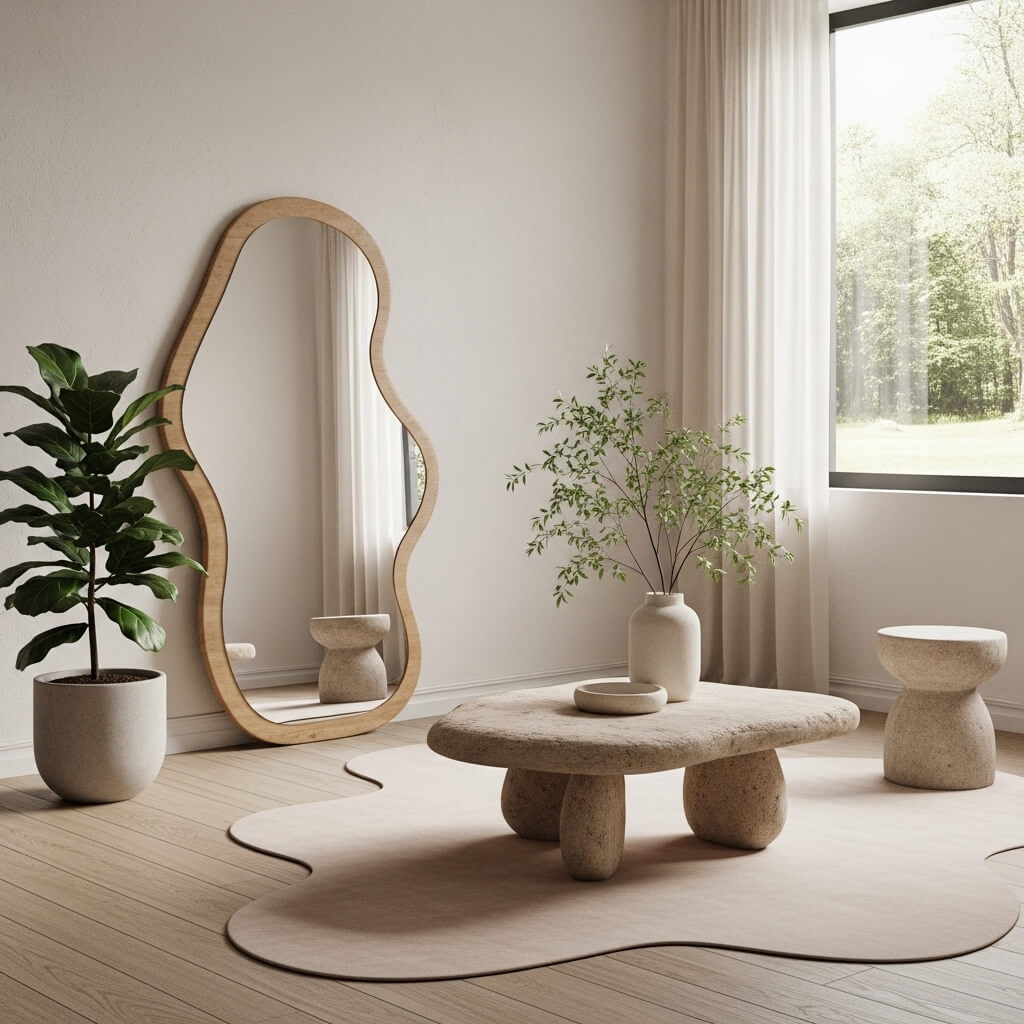
Nature doesn’t build in perfect lines, and neither should a Wabi-Sabi home.
When choosing decor—like mirrors, rugs, or side tables—look for organic shapes.
A mirror that resembles water, a rug with an undulating edge, or a coffee table shaped like a smooth stone all create a softer environment. These shapes introduce a calming, natural element.
10. Wall Accents: Bringing the Impermanent Indoors
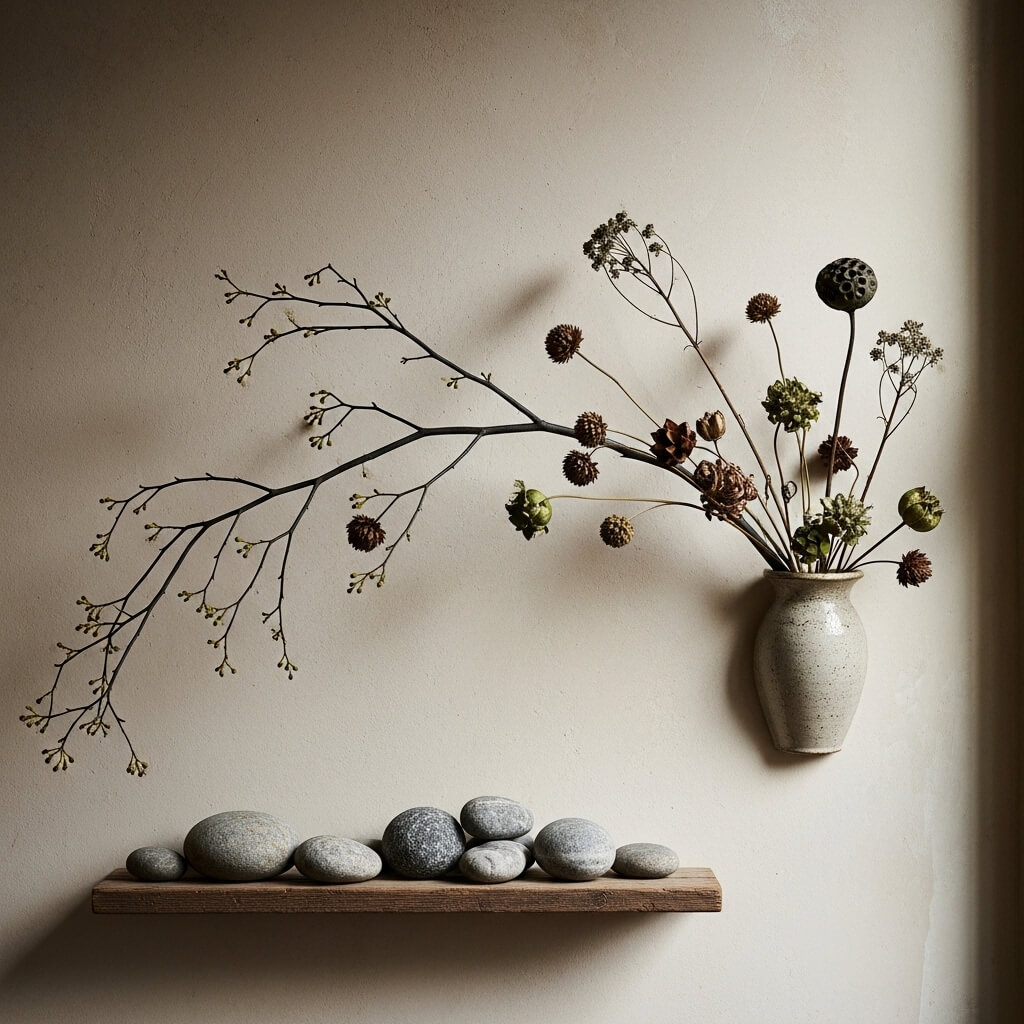
Wabi-Sabi embraces nature’s transience. Instead of permanent floral arrangements, display items that change and fade.
A gracefully curved branch in a wall-mounted vase connects the room to the seasons. Dried flowers, seed pods, and stones gathered from walks are perfect.
They remind us of the beauty in decay.
11. Handcrafted Kintsugi: The Beauty of Repair
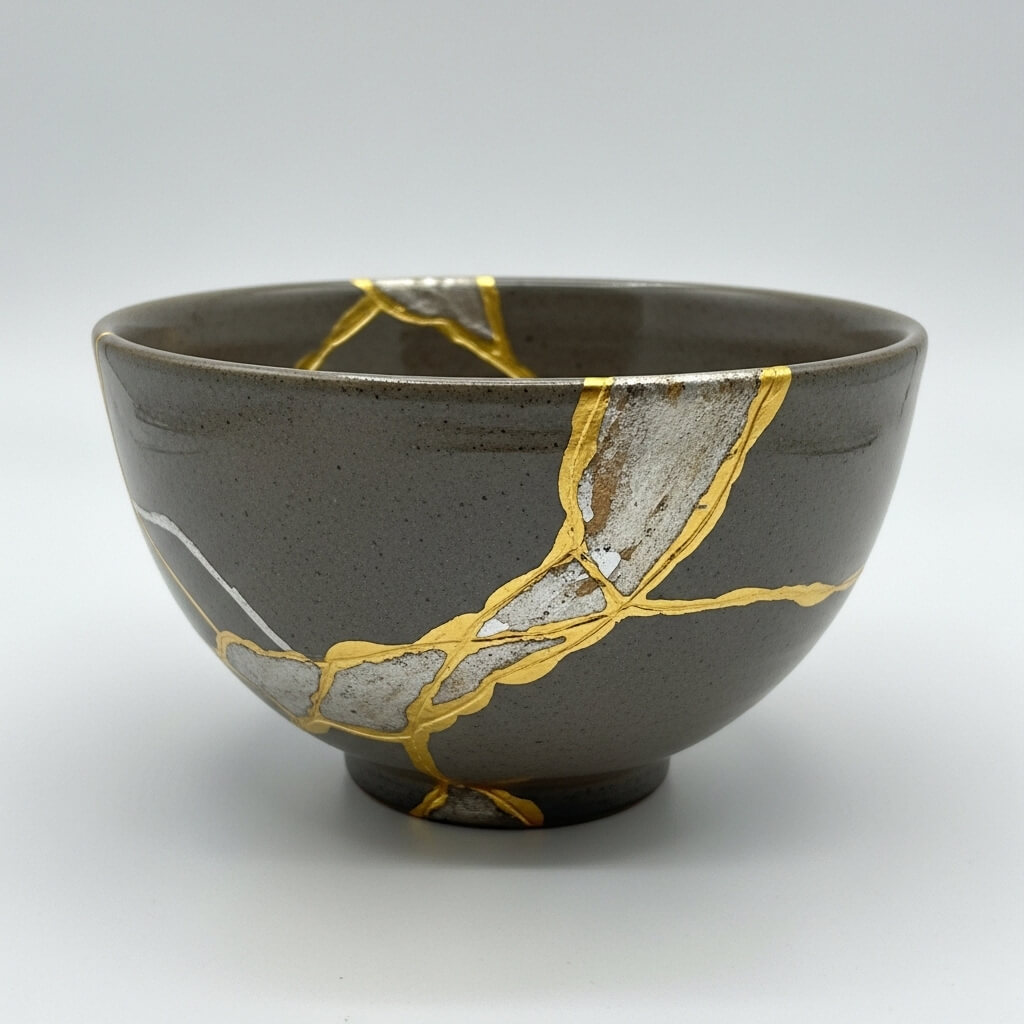
Kintsugi is a profound expression of Wabi-Sabi. This Japanese method repairs broken pottery with lacquer mixed with gold, silver, or platinum.
Rather than hiding breaks, Kintsugi highlights them, treating repairs as part of the object’s history.
Incorporating Kintsugi pieces—like a repaired bowl or vase—adds deep beauty, reminding us of the value in broken things.
12. Bedroom Lighting: Dim, Diffused, and Shadowy
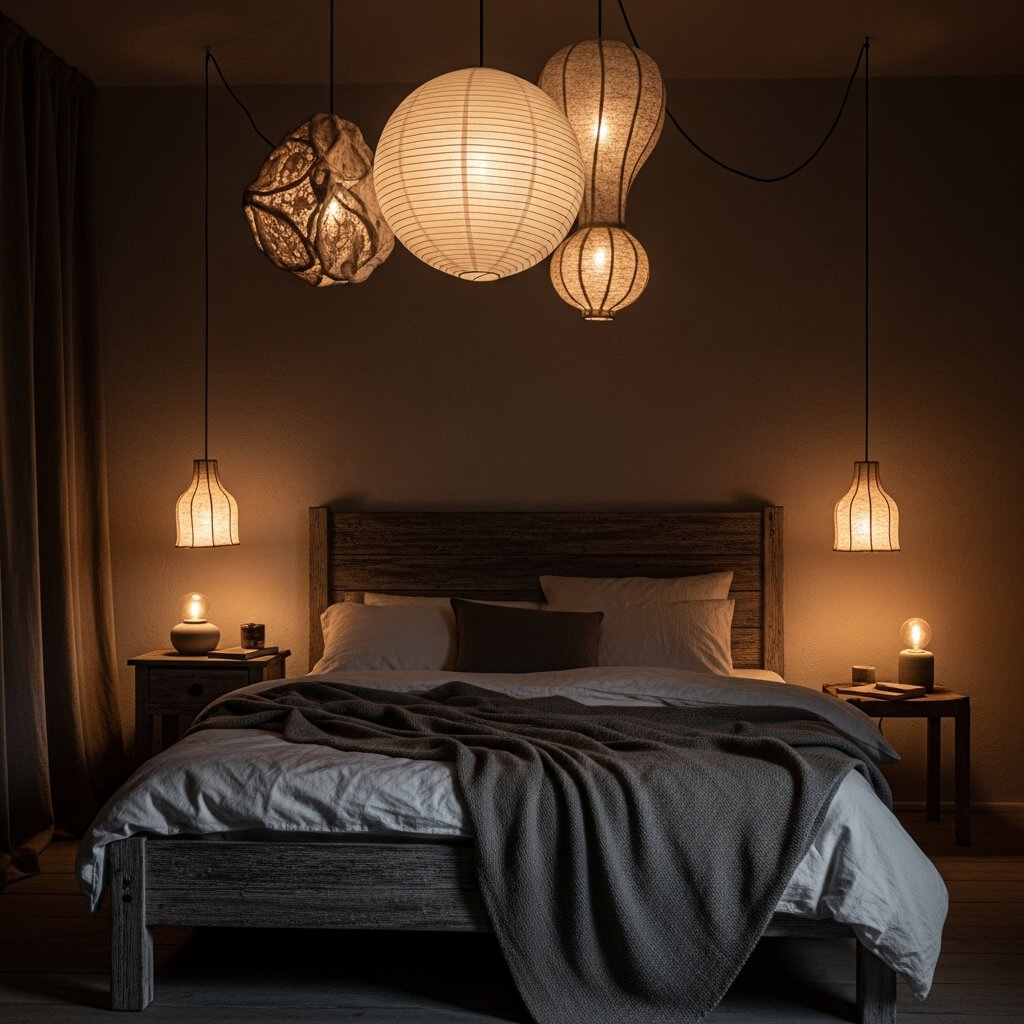
Lighting in a Wabi-Sabi bedroom should be soft, never harsh. Move away from bright overhead lights. Instead, create pockets of warm light.
Handcrafted paper lanterns diffuse light beautifully, casting a gentle glow. Use low-wattage bulbs in ceramic lamps, and embrace dark corners.
Shadows add mood and depth.
13. Curated Authenticity: The Lived-In Space
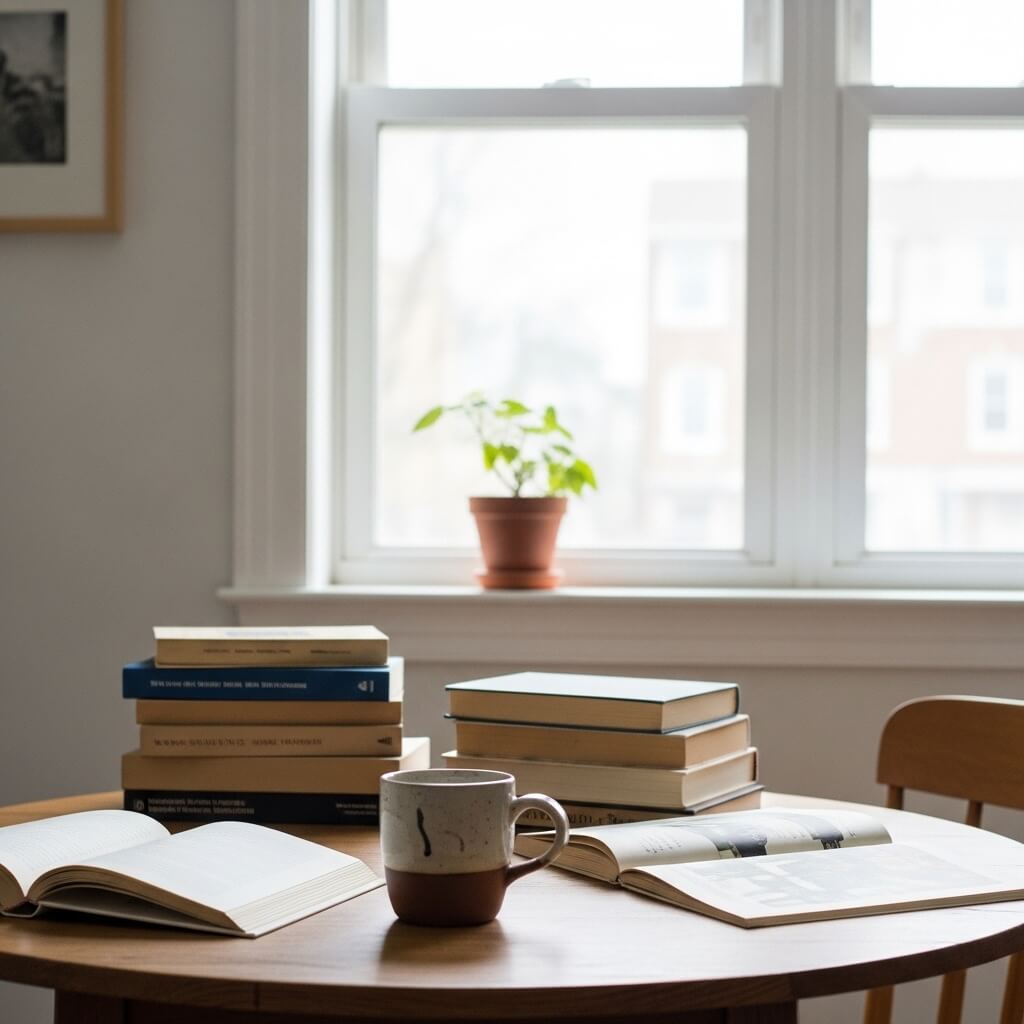
The most important element of Wabi-Sabi is authentic living.
A Wabi-Sabi space shouldn’t look staged. It should feel lived-in, where tea is enjoyed and books are read. Don’t worry about perfectly stacked books; let them sit casually.
A handcrafted mug on the table adds charm. Declutter to keep only what’s functional or beautiful, then let those items exist naturally.
Why Wabi-Sabi Works for Pinterest Traffic
From a content creation angle, Wabi-Sabi is a treasure.
Its focus on texture, natural light, and organic materials creates striking imagery.
Users seek ways to make their homes feel like relaxing retreats, and this aesthetic offers that blueprint.
Use detailed keywords in titles and pins—like “limewash textures” and “layered linen styling”—to attract an audience seeking design inspiration and grounding updates.
Final Thoughts on Your Interior Journey
Embracing this aesthetic isn’t just about new purchases.
It’s about shifting how you view what you already have. Celebrate natural materials and find peace in imperfection.
Whether plastering a wall or learning to love the wrinkles in your linen sheets, you create a space that breathes.