In a world filled with visual noise and consumerism, the draw of a minimalist space is stronger than ever.
Minimalism isn’t just about bare rooms; it’s about carefully choosing what adds value and peace to your life.
Whether you’re organizing a large family room, managing a small college dorm, or revamping your morning routine in a dressing area, the rules of decluttering stay the same.
For interior design fans and content creators, minimalist organization is a powerful niche.
Stunning images of organized spaces do well on visual platforms.
They instantly evoke feelings of aspiration and calm.
Achieving a zen home requires a thoughtful approach to design and daily habits.
To help you transform your space and create shareable content, here’s a look at the top 13 strategies for minimalist room organization.
Part 1: Living Space Organization Ideas
The living room is the heart of the home.
It needs to be a space for relaxation, entertainment, and socializing.
This makes it a clutter magnet.
Minimalist living spaces require smart ways to hide daily mess while keeping a warm, inviting look.
1. Use Multi-Functional, Hidden Storage
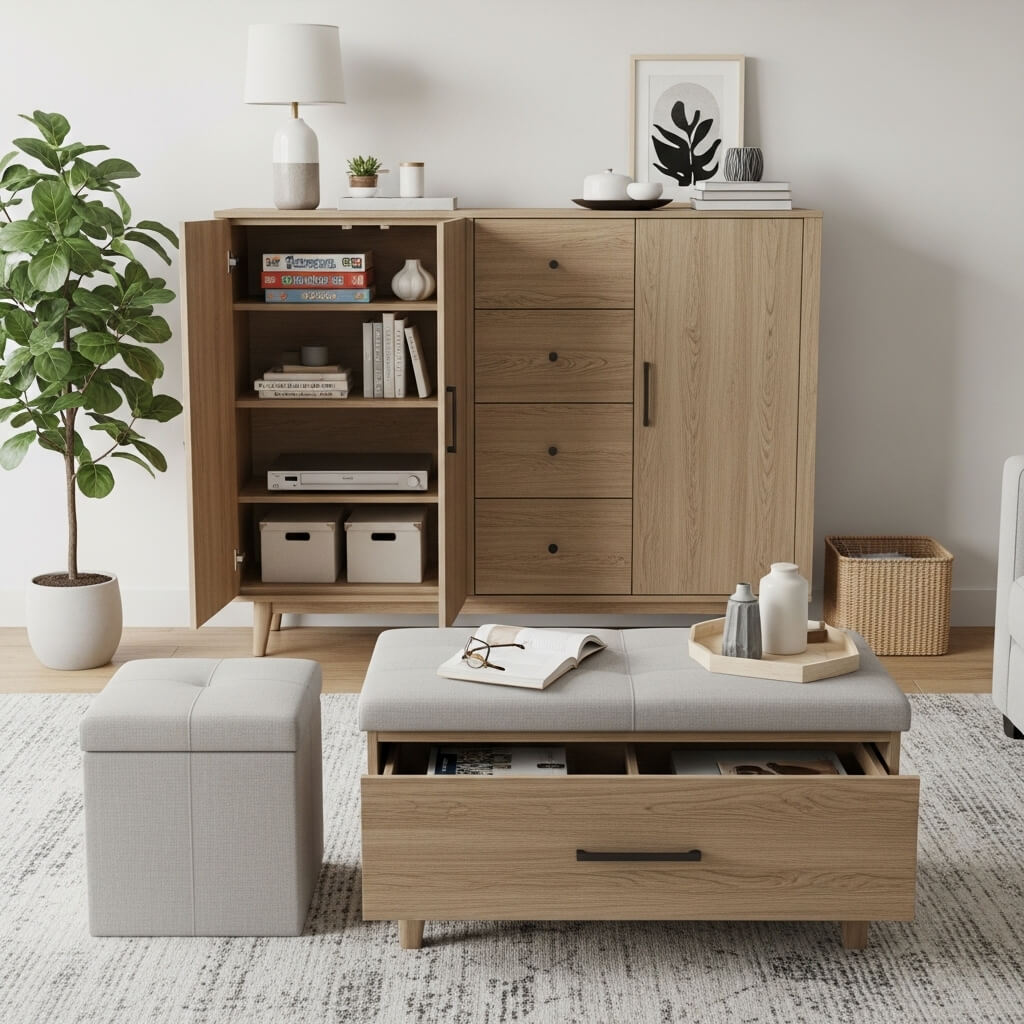
Minimalism values visual calm. In the living room, this means keeping daily items out of sight.
Instead of open shelves, choose closed storage.
A sleek credenza with solid doors can hide board games, electronics, and paperwork.
It also serves as a beautiful focal point.
When picking furniture, look for items that do double duty: storage ottomans, benches with hidden compartments, or coffee tables with deep drawers.
This keeps your space neat while maximizing functionality.
2. Follow the Rule of Three for Surfaces
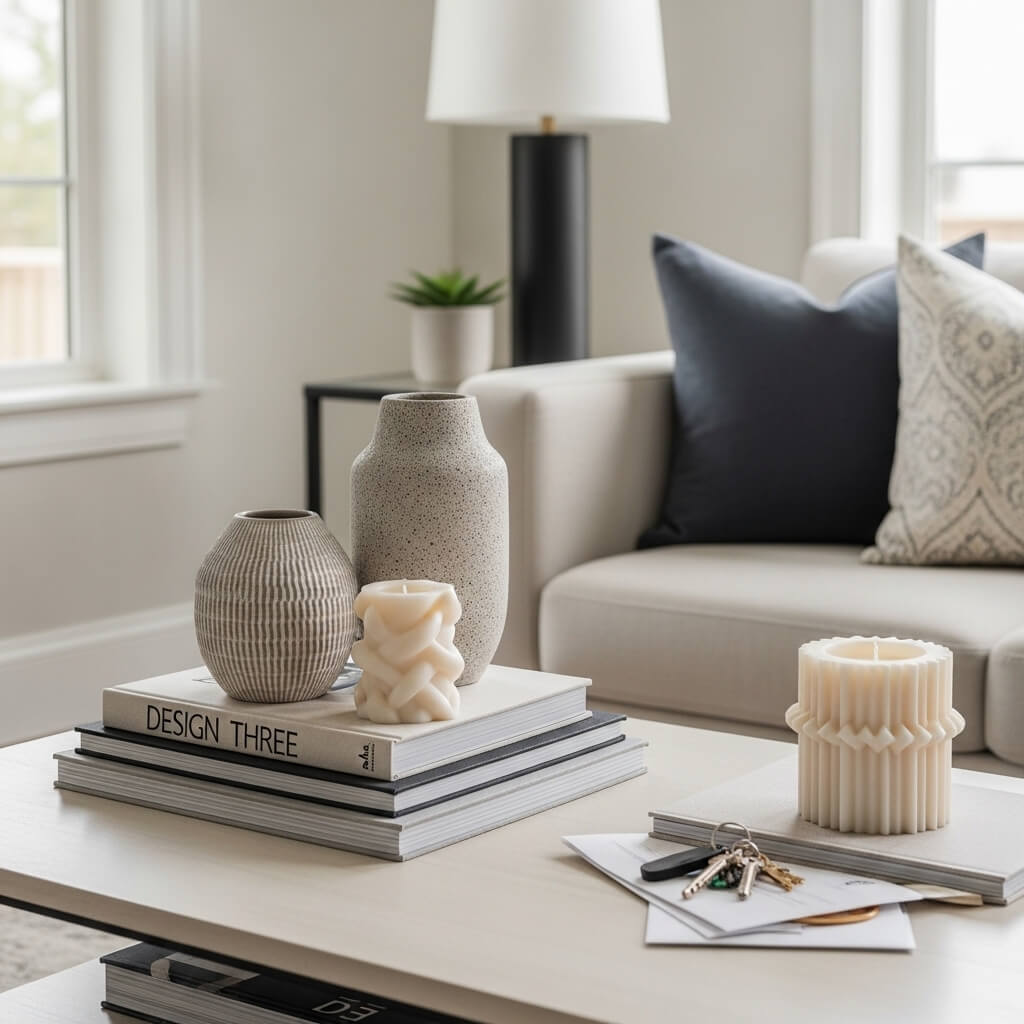
A common mistake in living room decor is cluttering flat surfaces.
Coffee tables, mantels, and side tables quickly become drop zones for keys, mail, and too many decorative items.
To keep a minimalist look, use the “Rule of Three.”
Limit your decorative groupings to three chosen items of different heights and textures.
For instance, stack two large design books, add a textured vase, and a sculptural candle.
Leave the rest of the surface bare.
This negative space lets the eye rest and makes displayed items feel more significant.
3. Control Digital Clutter
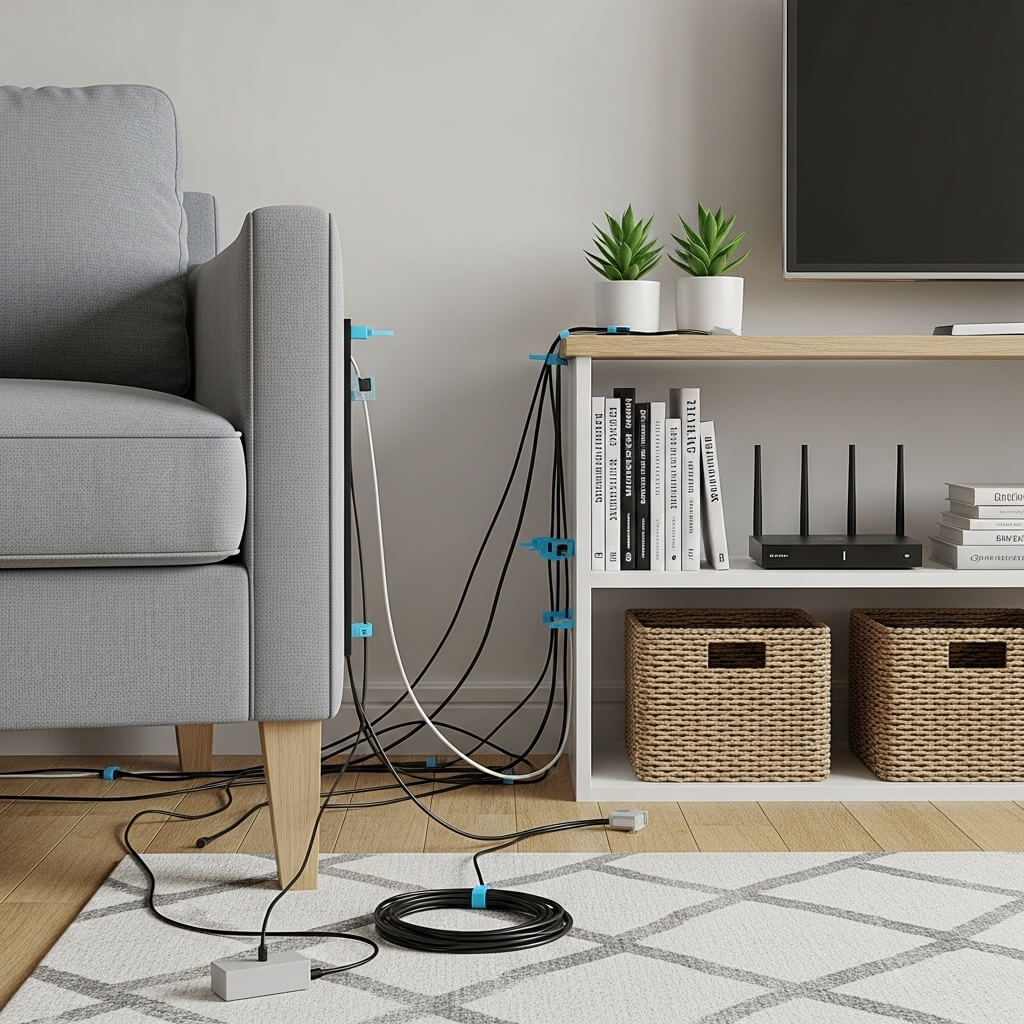
Nothing ruins a minimalist look like messy cords from electronics.
Digital decluttering is crucial for modern living room organization.
Invest in cord management boxes.
Use zip ties to bundle cables along furniture legs and route wires through walls if possible.
Hide your Wi-Fi router and streaming boxes in decorative baskets or behind books on a shelf.
Aim for a living space that feels disconnected from chaotic technology.
Part 2: Dorm Room Organization Ideas
Dorm rooms pose a unique challenge: they are small, temporary, and often shared.
Applying minimalist principles here is more about efficiency and maximizing every inch.
4. Use Vertical Space
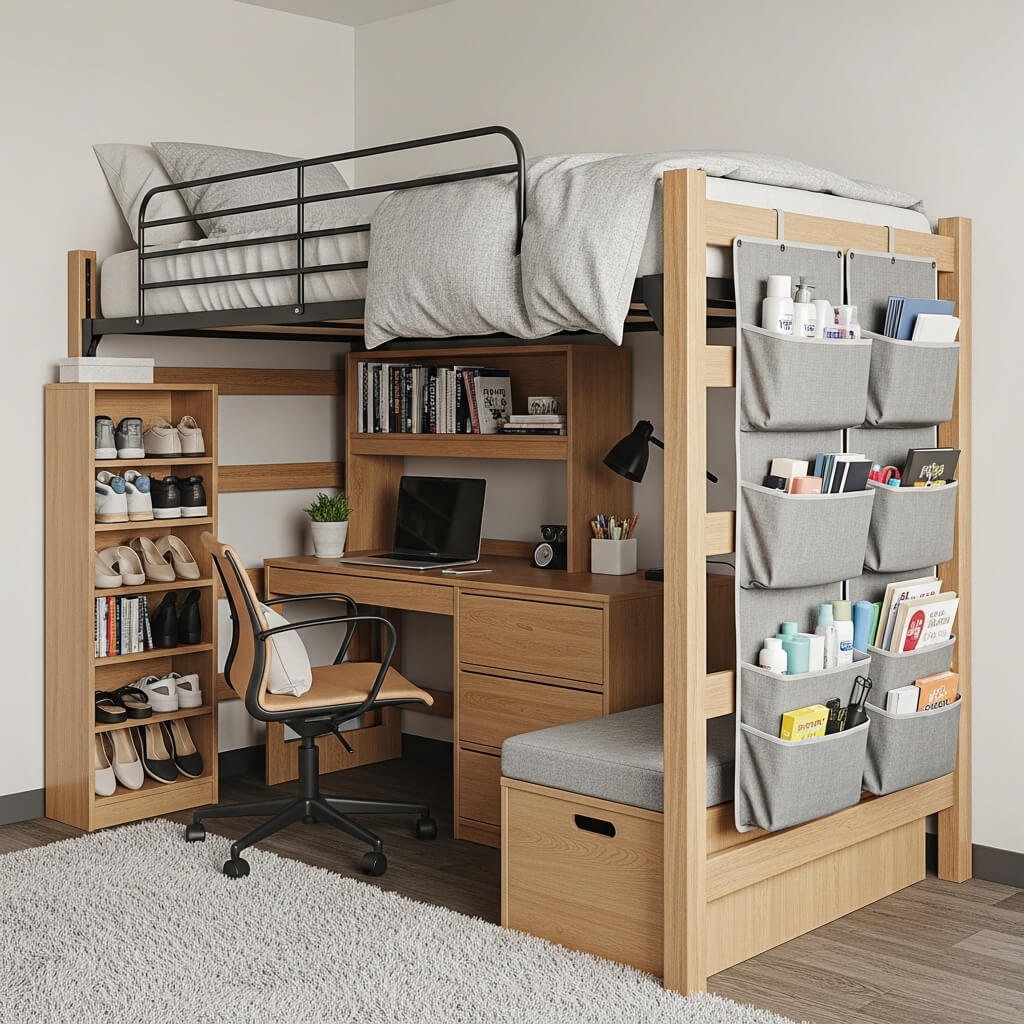
When floor space is limited, go up. Dorm minimalists must use vertical space to its fullest.
If allowed, loft your bed to create a separate “room” underneath for a desk or seating area.
Choose tall, narrow bookcases instead of wide dressers.
Hang over-the-door organizers for shoes, toiletries, snacks, and school supplies.
By moving items off the floor and onto walls, you make the room feel larger.
5. Apply the “One In, One Out” Rule
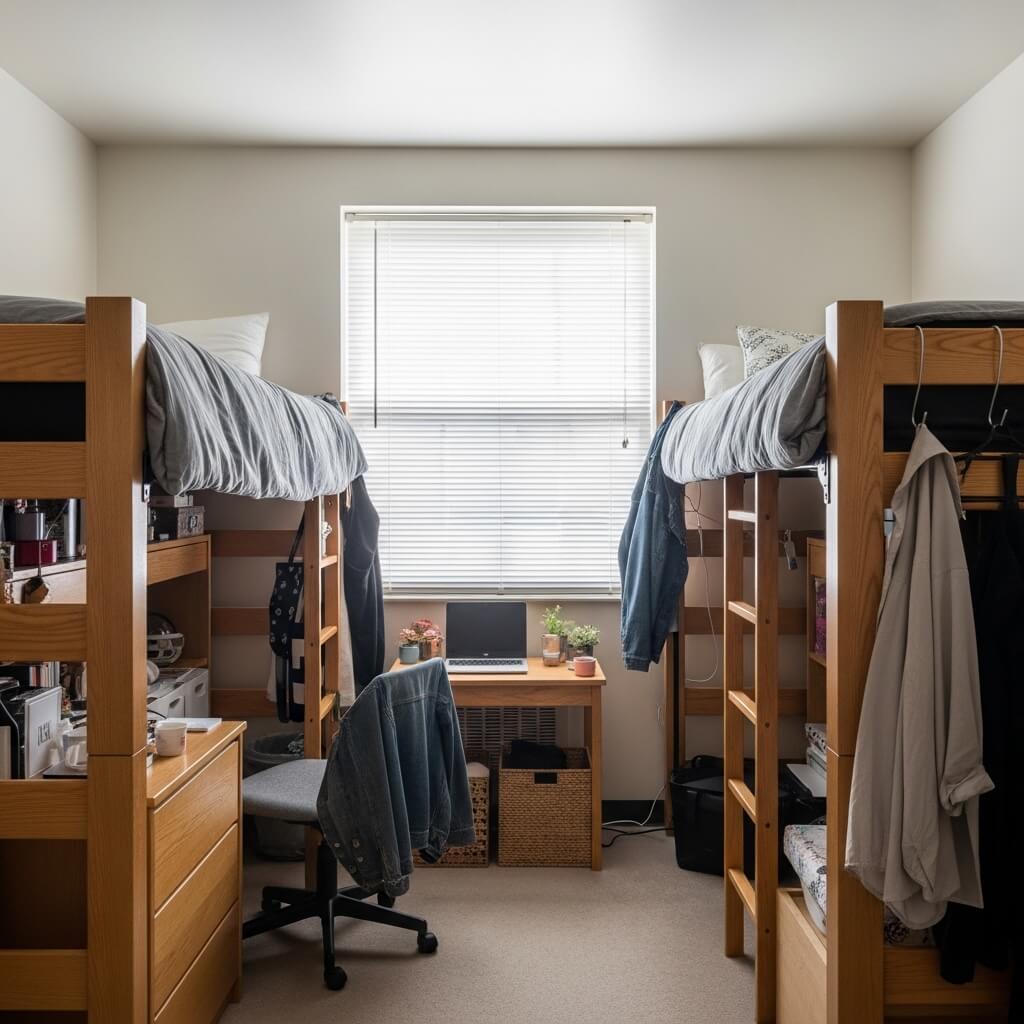
In a cramped dorm, accumulation is the enemy.
To keep a minimalist space, adopt a strict “One In, One Out” policy.
For every new item you bring in, donate, sell, or throw away an older one.
This habit prevents clutter from creeping back and encourages you to be intentional about what you buy and keep.
6. Create Zones for Sleep and Study
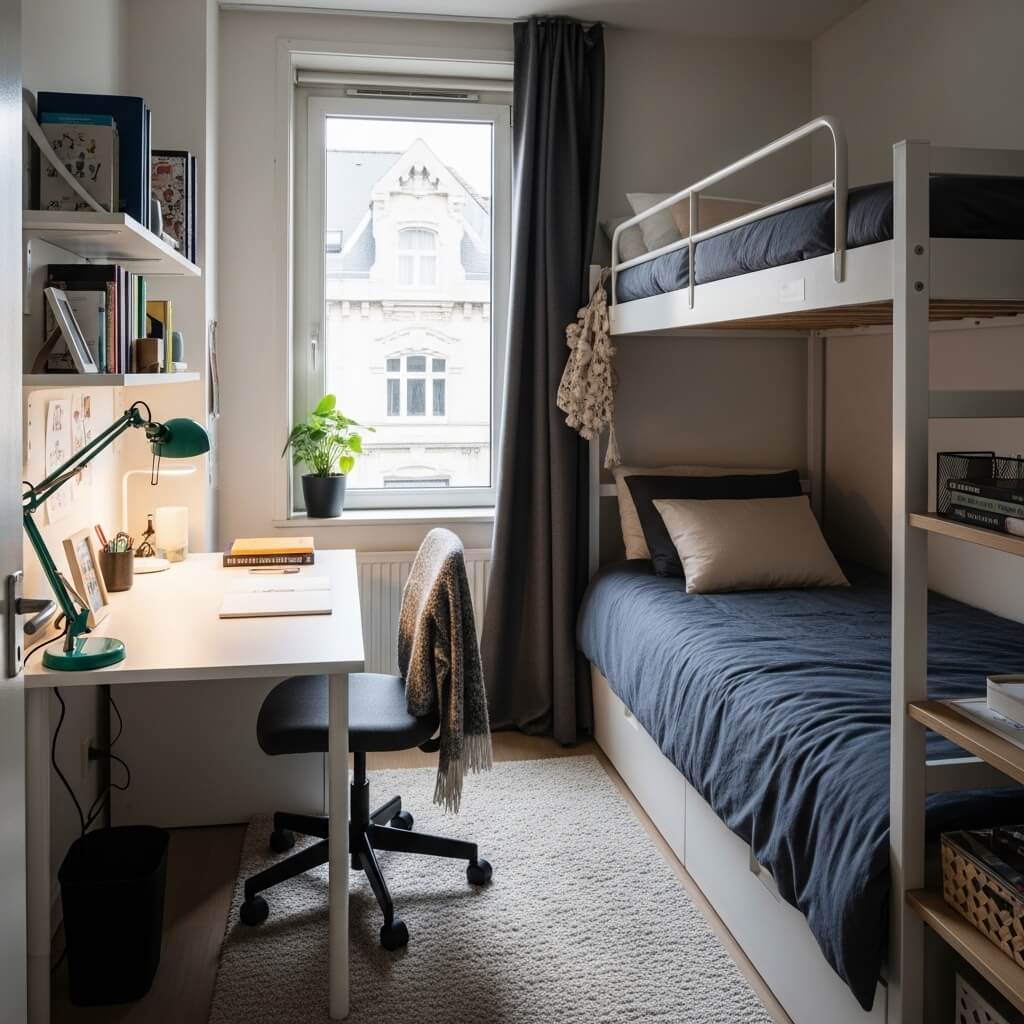
Even in a tiny room, you need boundaries between work and rest.
Since you can’t build walls, use visual cues to create zones.
Keep your desk area just for studying—no eating or lounging.
Use a small rug to define the study space and reserve the bed area for sleep.
Use a low-wattage lamp for reading in bed and a bright light for your desk.
These cues help maintain mental organization, which is as important as physical decluttering.
Part 3: Dressing Room & Closet Ideas
Your dressing area sets the tone for your day.
Searching through a messy closet can drain your energy before you even leave the house.
A minimalist dressing space should feel serene, curated, and functional.
7. Build a Capsule Wardrobe
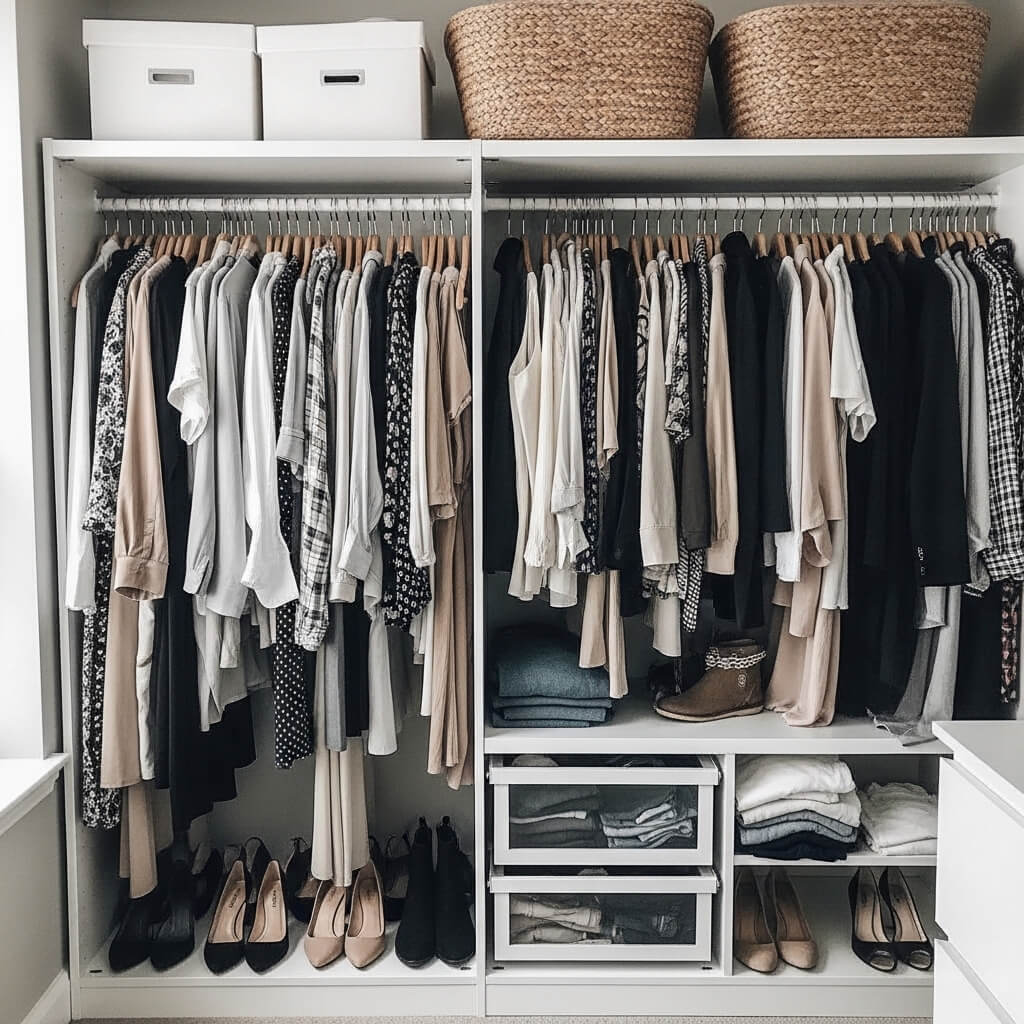
The key to a minimalist dressing area is having fewer clothes.
The capsule wardrobe approach involves reducing your clothing to a set number of versatile, high-quality items that can be mixed easily.
Remove items that don’t fit, haven’t been worn in a year, or need constant repair.
This creates space in your closet, looks organized, and cuts down on daily decision-making.
8. Use Uniform Hangers

If you adopt only one dressing room tip, make it this: ditch mismatched hangers.
Invest in a single style of uniform hangers—like slim black velvet or natural wood.
This change instantly transforms a messy closet into a cohesive space.
It removes visual clutter, allowing your clothes to shine.
It’s a small investment that provides a big aesthetic boost.
9. Organize Hidden Spaces
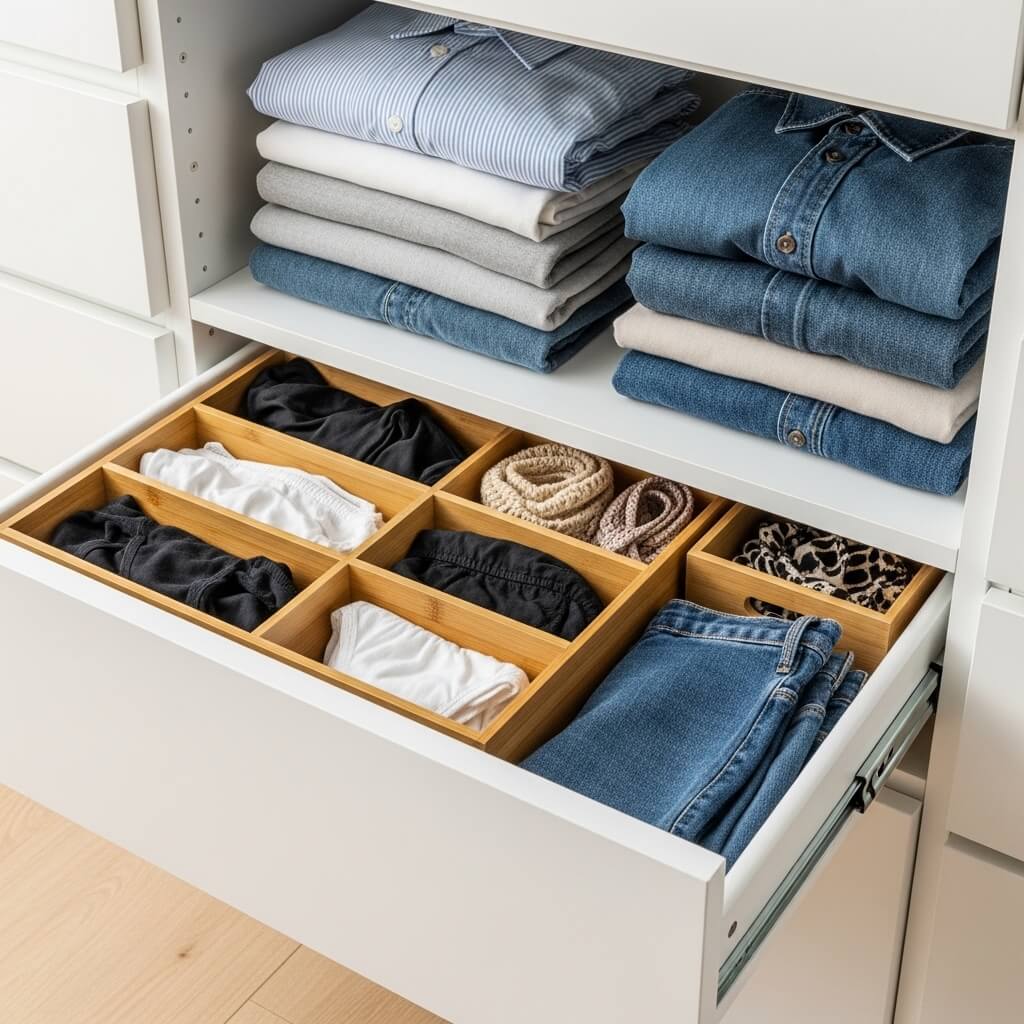
A true minimalist space is organized, even where it’s unseen.
Dresser drawers can become a mess of undergarments and accessories.
Use bamboo dividers or small bins to keep these spaces tidy.
Try the file-folding method to make shirts and pants stand upright.
This way, you can see everything at a glance without digging, ensuring your hidden areas are just as peaceful as the visible ones.
Part 4: The Core Principles of Decluttering
Organization is only part of the solution; if you organize junk, you still have clutter.
True minimalism means changing how you view your possessions.
These decluttering philosophies are vital for lasting change.
10. Apply the 90/90 Rule

If you struggle to let go of items, use the 90/90 rule from The Minimalists.
Ask yourself: Have I used this item in the last 90 days?
If not, will I use it in the next 90 days?
If the answer is no, it’s taking up valuable space without serving a purpose.
Time to let it go.
This rule works well for seasonal clothing, kitchen gadgets, and hobby supplies.
11. Protect Your Flat Surfaces
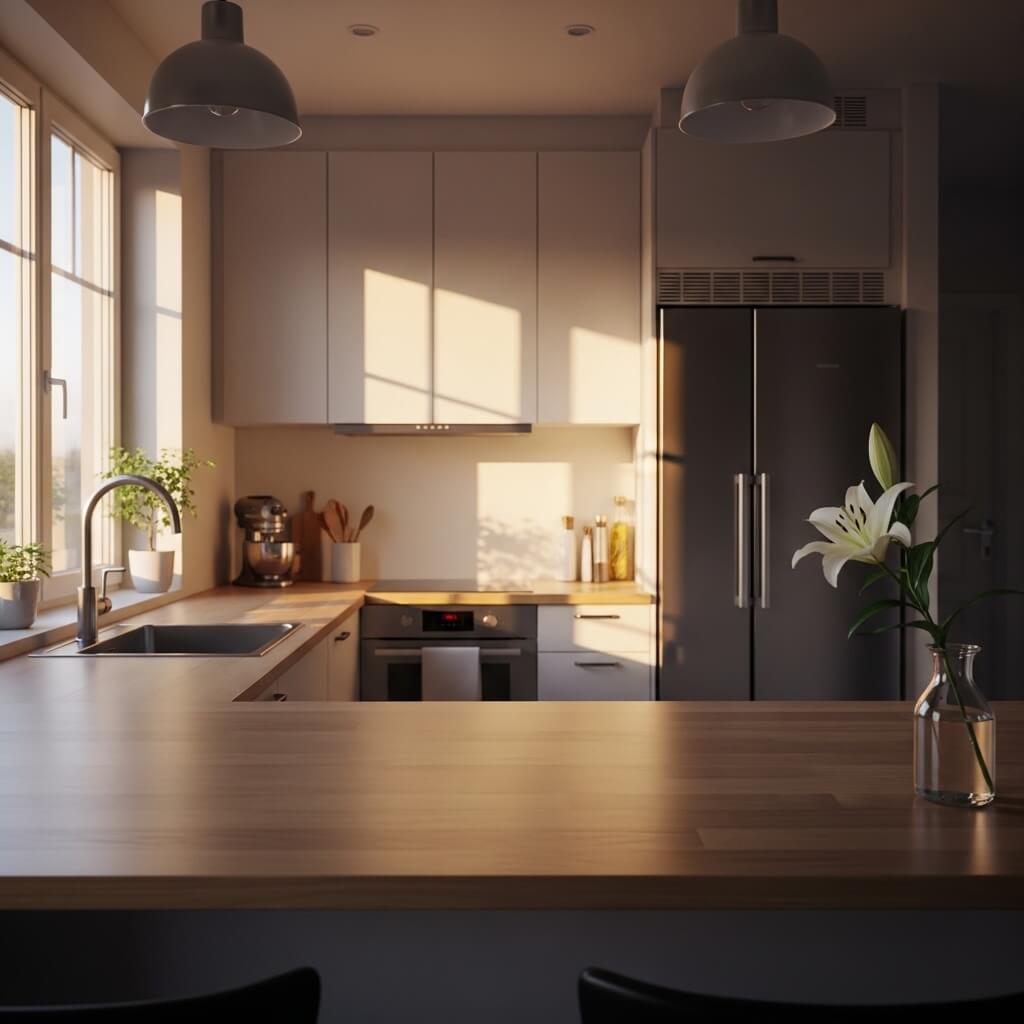
Clutter attracts clutter.
A single piece of junk mail on the counter can lead to more mess.
To maintain a minimalist home, protect your flat surfaces.
Set a rule that counters, tables, and desks must be cleared at the end of each day.
By not allowing clutter to settle, you prevent pile-ups from starting.
12. Do a Daily 10-Minute Reset
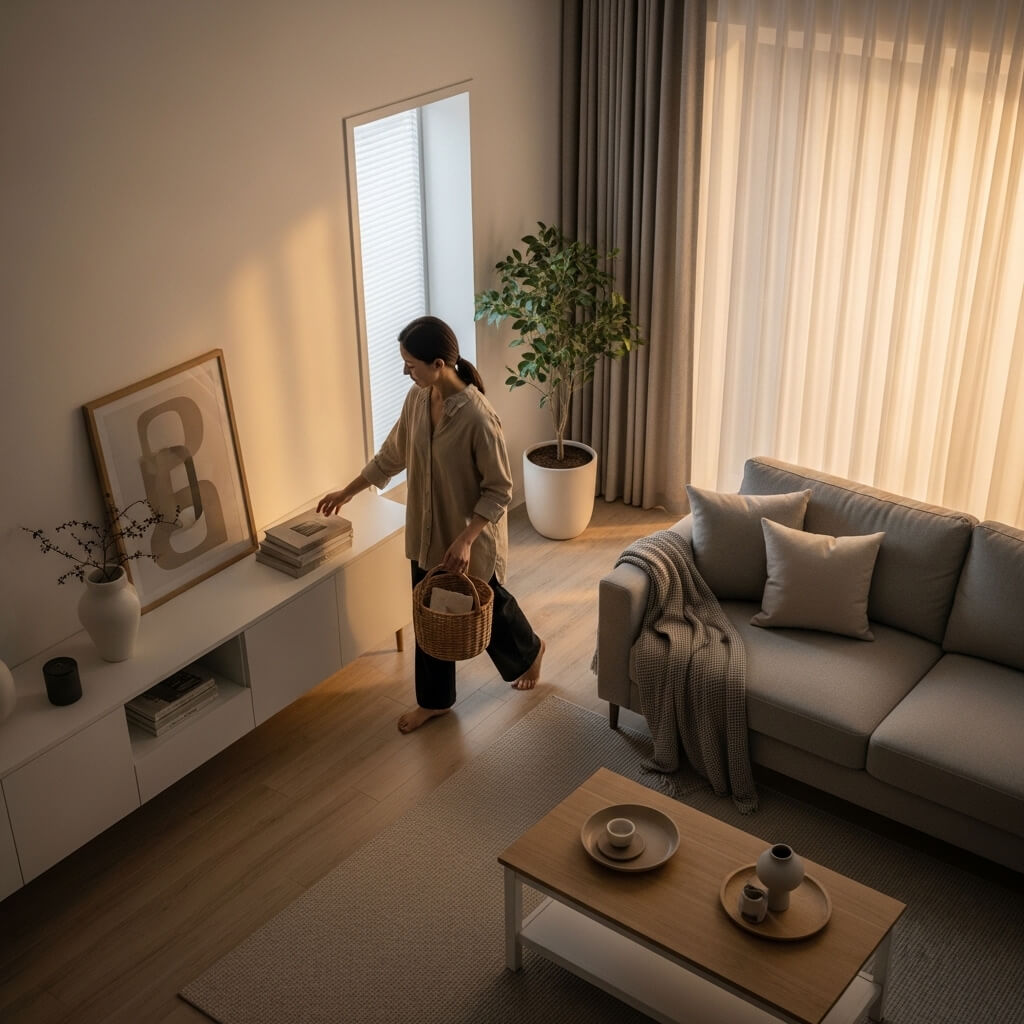
A minimalist home requires daily upkeep.
Instead of waiting for the weekend for a big clean, do a 10-minute reset each evening.
Walk through your spaces with a basket.
Put away stray items, clear surfaces, and reset your space.
Waking up to an ordered environment reinforces minimalist habits and starts your day calmly.
13. Let Go of Guilt and Aspirational Clutter
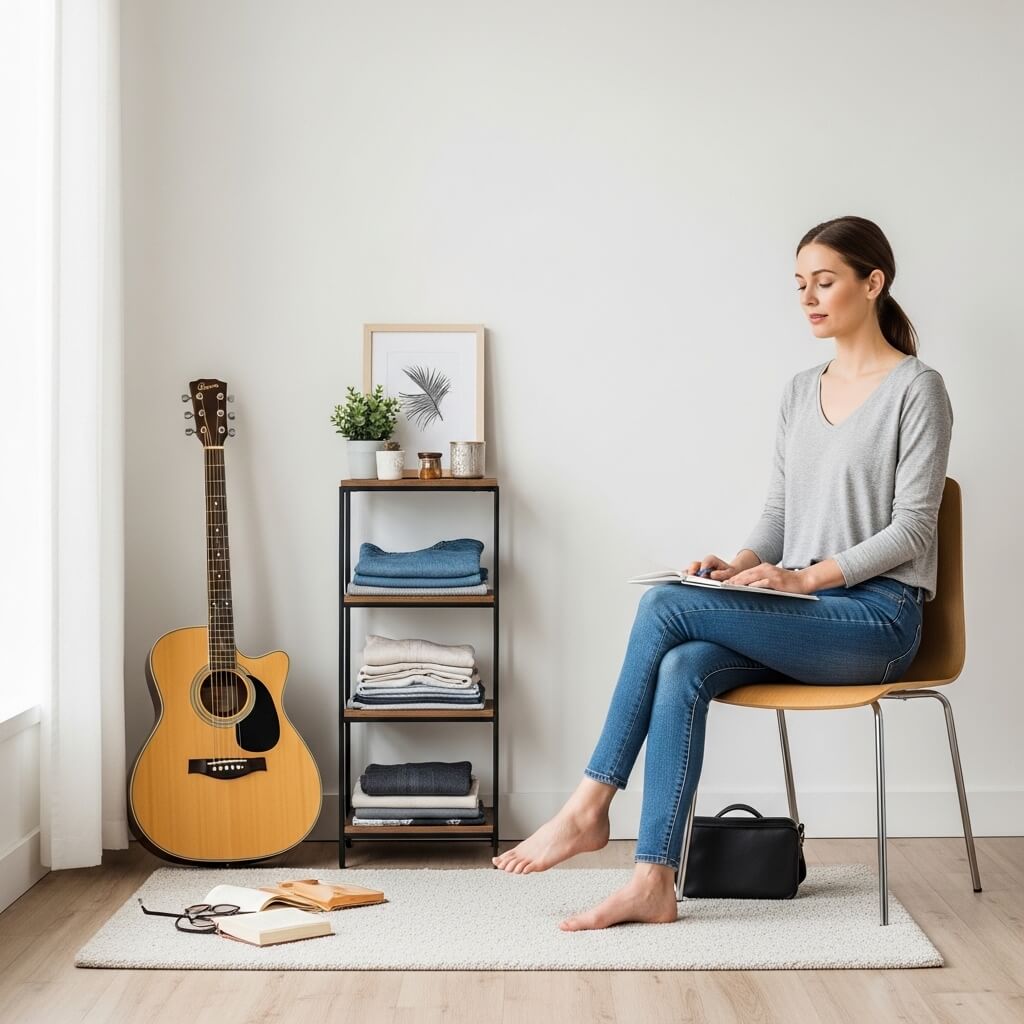
Decluttering often involves items tied to negative feelings.
Guilt clutter includes unused expensive items or gifts you don’t like.
Aspirational clutter includes things like a guitar you never learned to play or clothes two sizes too small. Keeping these items only makes you feel worse.
A minimalist space should have items that support who you are today.
Letting go of guilt and aspirational items is a freeing step in decluttering.
Driving Pinterest Traffic with Minimalist Content
From a content strategy viewpoint, these 13 ideas are highly versatile.
When users search for organization tips, they want clear, systematic solutions with stunning visuals.
To boost your website traffic, highlight natural light, neutral colors, and clean lines in your photos.
Show brief “before” chaos but focus on the serene “after” shots.
When building your presence in home decor, consistency is key.
Offer detailed, actionable advice on achieving that tranquil home look to keep your audience saving, sharing, and clicking through.